
Nano Banana 2 API (2026): Docs, Pricing, Integration & Code Examples
Introduction
The rapid advancement of AI has introduced a new generation of models capable of generating high-quality visual content with increasing control and precision. Among the latest innovations in this space is Nano Banana 2, the successor to Nano Banana and Nano Banana Pro, designed to deliver fast, accurate, and visually consistent image generation across a wide range of applications.Through the Nano Banana 2 API, developers and businesses can seamlessly integrate image generation capabilities into their systems, enabling the creation of rich visual content for various use cases. As a powerful AI tool, it supports applications such as content creation, design prototyping, and visual storytelling.In this guide, we explore the capabilities of Nano Banana 2, its key features, and how users can leverage the API to generate high-quality images. Whether you are a developer or a creator working with AI-generated visuals, this overview will help you understand how the model works and how to integrate it effectively.
What is Nano Banana 2?
Released by Google in February 2026, Nano Banana 2 is an advanced image generation model that creates high-quality visuals from structured prompts. It delivers improved control, consistency, and visual detail, allowing users to generate, edit, and enhance images for use cases such as marketing, design, and creative storytelling.
Key Features of Nano Banana 2 AI
Unified Image Generation Architecture
Nano Banana 2 is built on a unified system that processes structured prompts, visual inputs, and contextual instructions within a single generation pipeline. This allows the model to produce high-quality images with consistent composition and visual coherence.
High-Speed Generation Performance
The Nano Banana 2 API is optimized for speed, enabling fast image generation with near real-time responses. This supports efficient workflows for applications that require rapid visual output.
Advanced Image Generation Capabilities
Nano Banana 2 enables users to generate detailed and visually rich images from structured prompts. It supports a wide range of creative scenarios, including cinematic scenes, stylized visuals, and realistic environments, with improved accuracy and consistency.
Developer-Friendly Integration
The Nano Banana API is designed for easy integration into applications. With simple request and response structures, developers can quickly incorporate image generation capabilities into their systems.
Scalable Infrastructure
Nano Banana 2 supports scalable deployment, making it suitable for both individual creators and large-scale applications. This allows users to generate images efficiently without compromising performance.
Customizable Generation Parameters
The Nano Banana 2 API provides configurable parameters that allow users to control outputs based on their needs. This includes refining prompts, adjusting styles, and optimizing visual results.
Reliable and Consistent Output
The model is designed to produce stable and consistent visual outputs across different prompts. This ensures higher reliability when used in production environments.
How the Nano Banana 2 API Works
Step 1: Create a Nano Banana Prompt
The process begins with defining a structured prompt that describes the desired image. Effective prompts typically include:
1. Subject or main focus
2. Environment or setting
3. Style and visual tone
4. Lighting and atmosphere
5. Composition or perspective
A well-structured prompt helps produce more accurate, consistent, and visually coherent results. For best results, refer to these prompt design best practices.
Step 2: Submit the Request to the Nano Banana API
The prompt and configuration settings are sent to the Nano Banana API through a standard API request, following the request structure and parameters defined in the API documentation. Developers can include:
1. Prompt description
2. Style or generation parameters
3. Output specifications
4. This allows the Nano Banana 2 API to generate images efficiently while adapting to different visual requirements.
Step 3: Generate the Image Output
Once the request is received, Nano Banana 2 processes the input and generates an image based on the provided instructions.The output can then be:
1. Displayed in applications
2. Used in creative content
3. Integrated into design workflows
This streamlined process makes Nano Banana 2 a scalable and efficient solution for generating high-quality visuals.
Example 1: Scenic Environment
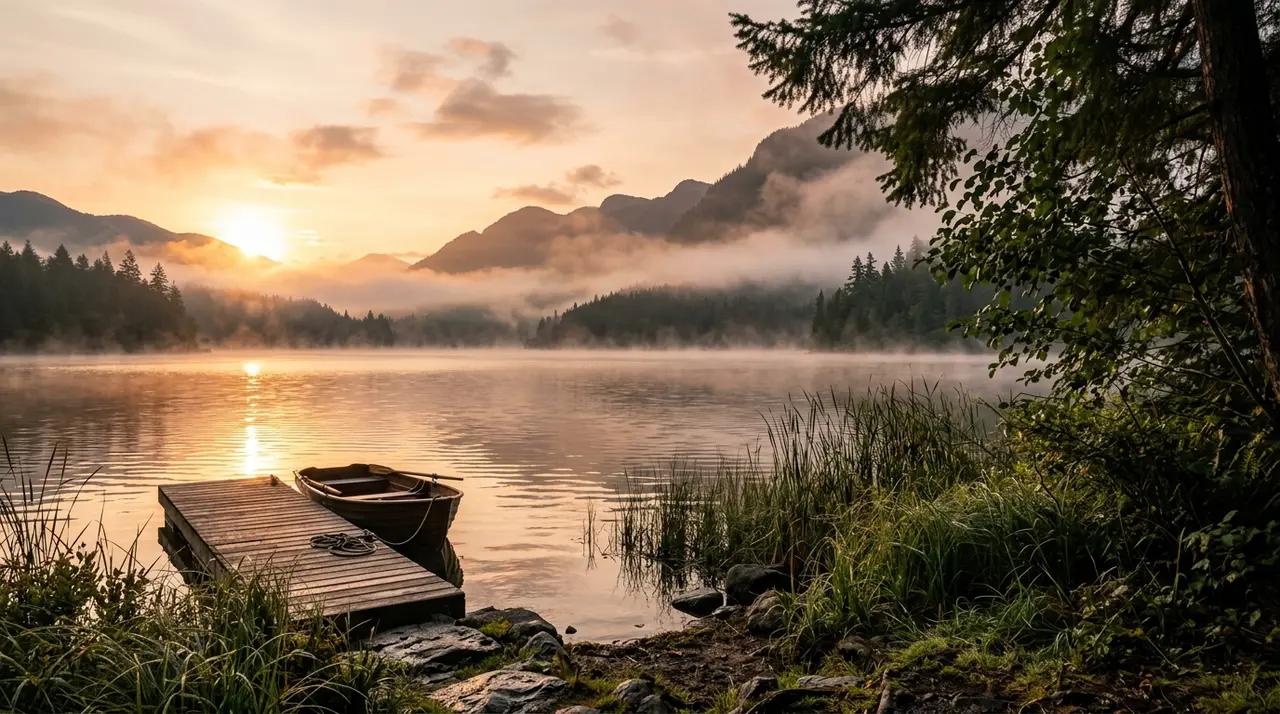
Prompt: "Generate a vivid and immersive scene of a peaceful lakeside at sunrise. The setting should include soft golden light reflecting on the water, gentle mist rising from the lake, and distant mountains partially covered in fog. Describe the environment in rich detail, including sounds, atmosphere, and subtle movements such as rippling water and rustling leaves. The tone should be calm, cinematic, and emotionally soothing, allowing the viewer to feel fully present in the scene."
Output Evaluation
The output demonstrates Nano Banana 2’s ability to generate calm, cinematic natural scenes with high visual clarity. Lighting is soft and realistic, with smooth reflections on the water and well-rendered atmospheric elements such as mist and depth in the background.The composition remains balanced and cohesive, with natural details like foliage and textures enhancing realism. Overall, this highlights the model’s strength in producing serene and visually immersive environments.
Example 2: Urban Night Scene
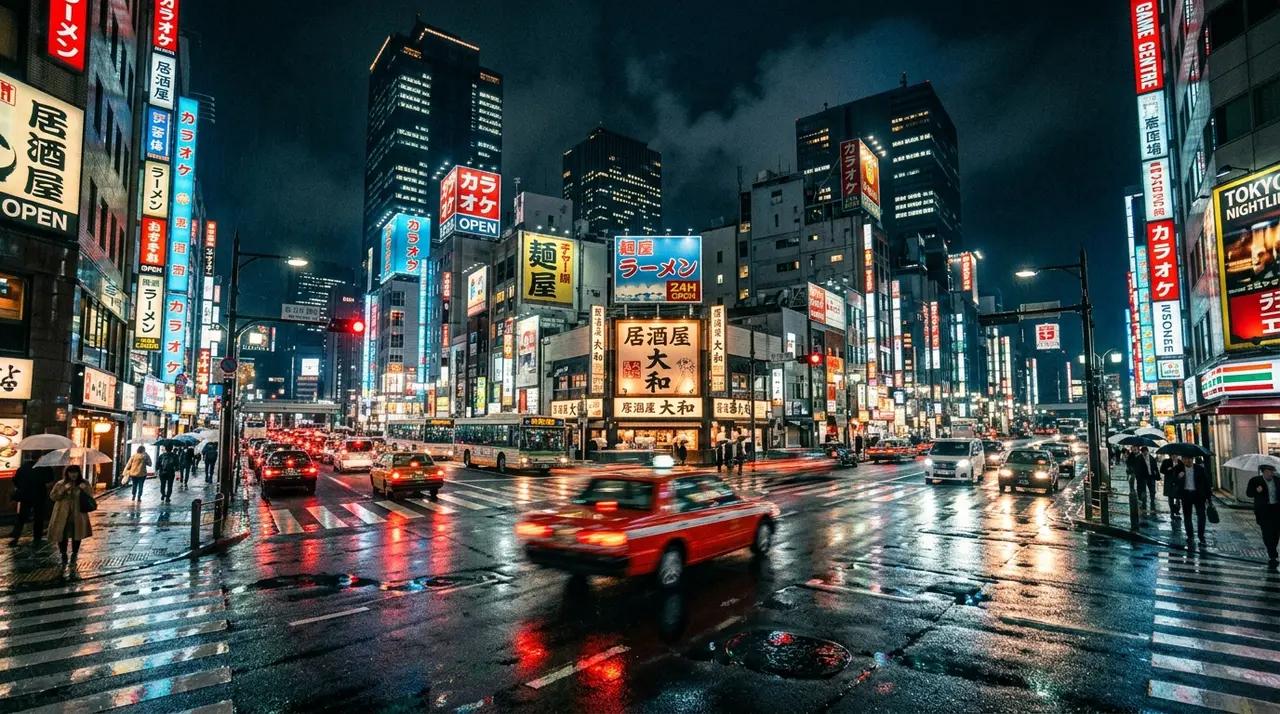
Prompt: "Generate a cinematic nighttime city scene with neon lights reflecting on wet streets after rain. The environment should include tall buildings, glowing signboards, and light traffic moving through the streets. Add subtle motion such as passing cars, reflections on puddles, and flickering lights. The atmosphere should feel vibrant, modern, and slightly moody, with a strong contrast between light and shadow."
Output Evaluation
The output demonstrates Nano Banana 2’s ability to generate detailed urban environments with strong cinematic quality. Neon lighting and wet street reflections are rendered realistically, creating a vibrant and immersive atmosphere.The scene maintains strong structural consistency despite its complexity, with clear building details, signage, and traffic elements. Subtle motion from vehicles and light trails adds energy without reducing clarity.Overall, this example highlights the model’s strength in producing visually rich and dynamic city scenes with consistent lighting and composition.
Example 3: Image Editing
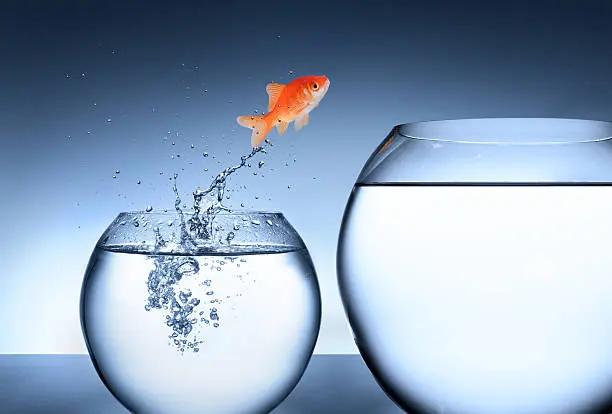
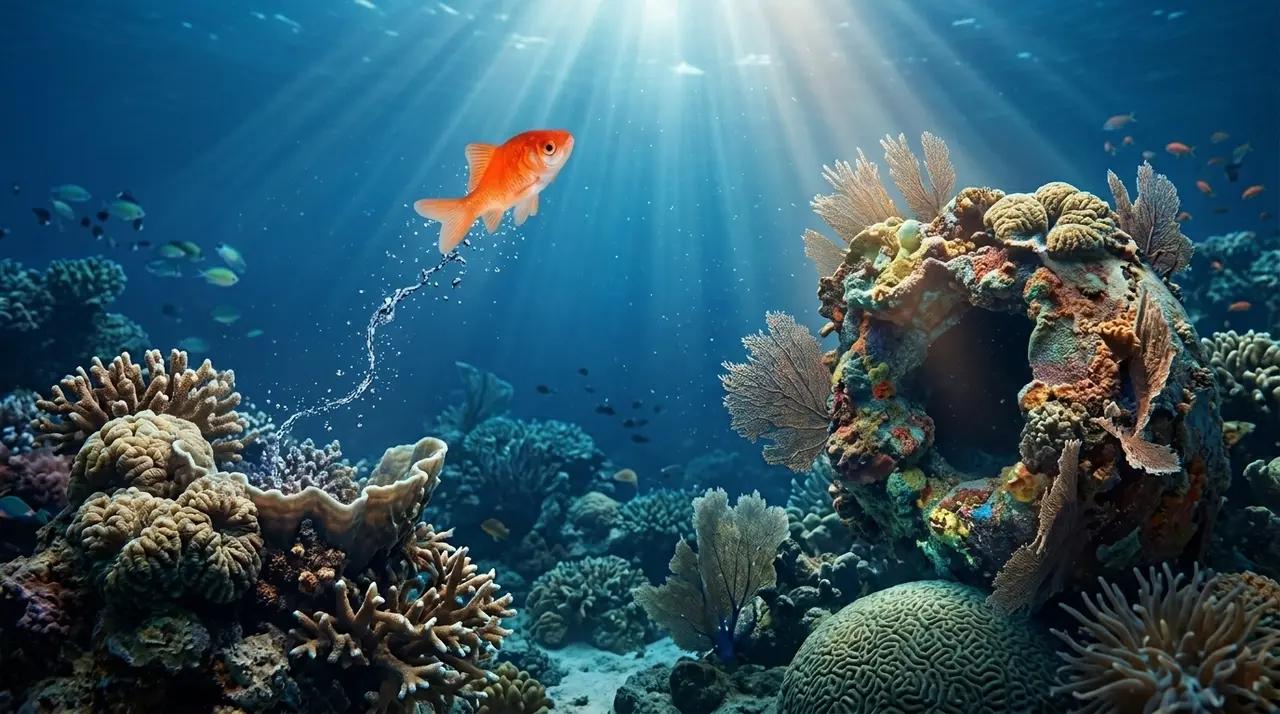
Prompt: "Transform the scene into a cinematic ocean environment. Replace the fishbowl setting with a vast underwater scene, including coral reefs and soft light rays passing through the water. Ensure the fish remains the main subject, preserving its position and motion while enhancing surrounding details with realistic water textures and marine elements."
Output Evaluation
The output demonstrates Nano Banana 2’s ability to transform a simple scene into a complex underwater environment while preserving the main subject. The fish remains consistent in position and appearance, while the surrounding environment is enhanced with detailed coral, marine life, and atmospheric lighting.Light rays and depth are rendered naturally, creating a cinematic and immersive result. Overall, this highlights the model’s strength in large-scale scene transformation with strong visual coherence.
Conclusion
Nano Banana 2 demonstrates strong capabilities in both content generation and image editing, making it a versatile AI model for a wide range of creative and practical applications. From generating cinematic environments to performing controlled scene transformations, the model delivers visually consistent and high-quality outputs across different use cases.Its ability to preserve key subjects while enhancing or modifying surrounding elements highlights a high level of control and reliability. Combined with flexible API integration and scalable performance, the Nano Banana 2 API provides developers and creators with an efficient solution for building intelligent workflows. Compared to the previous models, Nano Banana 2 introduces improved consistency, control, and overall output quality.Overall, Nano Banana 2 stands out as a powerful AI automation tool that balances creativity, precision, and usability, making it well-suited for both experimentation and production-level deployment.
Start testing the model and get your Nano Banana 2 API Key via PiAPI today!
Unlock the power of 20+ AI models with PiAPI — image, video, chat, music, and more. Sign up today and start building smarter, faster and at scale.