
Nano Banana vs Nano Banana Pro: Google Nano Banana API Comparison and Pricing Guide
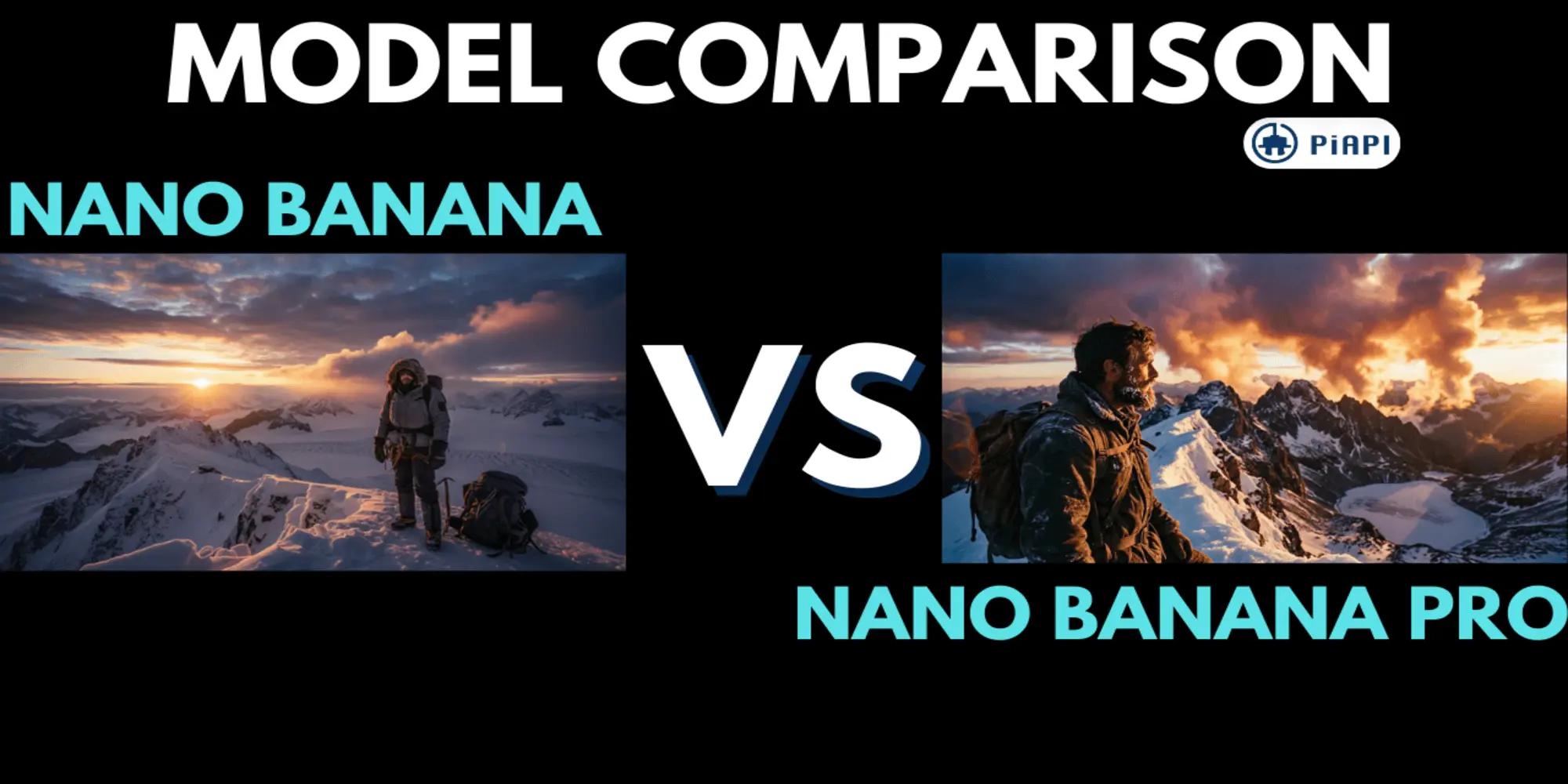
The release of Nano Banana (Gemini 2.5 Flash Image) introduced a lightweight image generation model designed for fast and flexible visual creation.
Google later introduced Nano Banana Pro (Gemini 3 Pro Image), an upgraded version of the model that focuses on improved visual fidelity, studio-quality precision, and enhanced generation stability. Both models are accessible through API implementations, allowing developers to generate images using simple prompt-based workflows.
In this comparison, we evaluate Nano Banana Pro vs Nano Banana to understand the key differences in image quality, prompt responsiveness, and generation behavior. We also explore Nano Banana API pricing, prompt usage, and practical examples to help developers decide which model best fits their workflows.
What is Google Nano Banana API?
The Google Nano Banana API provides developers with access to Google's image generation model designed for rapid text-to-image generation. Using a Nano Banana prompt, developers can generate images that reflect the scene, subject, and visual style described in the prompt.
The base Nano Banana API focuses on efficiency and accessibility, making it suitable for applications that require high-volume image generation with relatively low latency.
Because the model prioritizes speed and cost efficiency, Nano Banana API cost is generally lower than more advanced image generation models.
What is Nano Banana Pro?
Nano Banana Pro is the upgraded version of the base model and is designed to produce higher fidelity images with improved prompt interpretation. Available through the Nano Banana Pro API, the model focuses on more refined image composition and stronger adherence to structured prompts.
Compared to the standard model, Google Nano Banana Pro aims to deliver sharper visual details, improved lighting realism, stronger prompt understanding and more stable generation behaviour.
Model Similarities and Differences
Despite being different model tiers, Nano Banana and Nano Banana Pro share several core capabilities. Both models are designed to generate images from structured prompts, support image editing and can be integrated into applications through programmatic API workflows.
However, Nano Banana Pro introduces several improvements:
Image Quality
The most noticeable difference between Nano Banana vs Nano Banana Pro is image fidelity. Nano Banana Pro typically produces sharper textures, improved lighting consistency, and more refined object details compared to the base model.
Prompt Adherence
Nano Banana Pro demonstrates stronger prompt interpretation, particularly for complex prompts involving multiple objects or detailed scene descriptions. This results in images that more closely match the intended prompt. Also, Nano Banana Pro features real world knowledge, making it suitable for more extensive and diverse tasks.
Generation Stability
The Nano Banana Pro API focuses on improved generation stability, reducing visual inconsistencies and artifacts during image creation.
Speed and Cost Efficiency
The base Nano Banana API prioritizes fast image generation and lower Nano Banana API cost, making it more suitable for high-volume generation workflows. Nano Banana Pro, while producing higher quality images, may require slightly more generation time.
Nano Banana API Pricing
Developers integrating the model into applications should consider Google Nano Banana API pricing when choosing between the base model and the Pro version. The price offered at PiAPI starts at $0.03 per image.
The Nano Banana API pricing structure typically varies depending on:
1. Model tier used for generation
2. Number of generated images
3. Image resolution
How to Use Nano Banana
Many developers search on how to use Nano Banana Pro and the older flash version want to understand the typical workflow for generating images. The process generally follows three steps:
Step 1: Obtain a Nano Banana Pro API Key
Access to the model requires authentication through a Nano Banana Pro API key, which allows developers to send requests to the Nano Banana Pro API.
Step 2: Write a Nano Banana Pro Prompt
A clear and structured Nano Banana Pro prompt helps guide the model toward the desired output with reference from the Google Nano Banana API documentation.
Step 3: Generate Images Through the API
After submitting the prompt through the Nano Banana Pro API, the model generates images that match the prompt description. Developers can then use these images within applications or automated workflows.
Nano Banana Prompt Guide and Examples
Writing strong Nano Banana prompts significantly improves the quality of generated images. According to Google DeepMind, A well-structured Nano Banana prompt typically includes the following:
Style + Subject + Setting + Action + Composition
To demonstrate the capabilities of the model, we generated several Nano Banana Pro examples using the same prompts as the base model. We will be evaluating the output using the Labelbox framework.
Example 1: Cinematic Scene
In this example, we will start with a cinematic scene to see how well both models perform against each other.


Prompt: Cinematic photography style, a traveler standing on an icy mountain ridge at sunset, surrounded by dramatic clouds and warm golden light, the traveler gazing toward the horizon, wide-angle composition with the subject positioned on the ridge against the glowing sky.
Analysis: Both models show strong prompt alignment, though Nano Banana Pro introduces additional elements such as smoke from the mountain that were not specified in the prompt. In terms of photorealism, Nano Banana appears slightly more realistic. Both outputs demonstrate high detail, and no visible artifacts are observed.
Example 2: Product Photography with Multilingual Text Rendering
In this example, we will evaluate on a product photography with textual addition to the prompt.

Prompt: Premium product photography style, a modern laptop displaying the words "Buy Now! 50% OFF! 新品电脑", placed on a reflective studio surface, softly illuminated by professional studio lighting, centered product composition with dramatic reflections and clean commercial framing.
Analysis: Nano Banana Pro shows stronger prompt alignment, correctly rendering the Chinese text, while Nano Banana fails to reproduce the text accurately. In terms of photorealism, Nano Banana Pro produces a more convincing product photography scene with realistic lighting. The detail is also higher in Nano Banana Pro, showing visible apps on the laptop screen, whereas Nano Banana displays a blank screen. For artifacts, Nano Banana contains errors in text rendering, while Nano Banana Pro shows no visible artifacts.
Example 3: Futuristic City Scene
For our final example, we review a scene that is sci-fi and futuristic, to see the models' intepretation of abstract ideas.
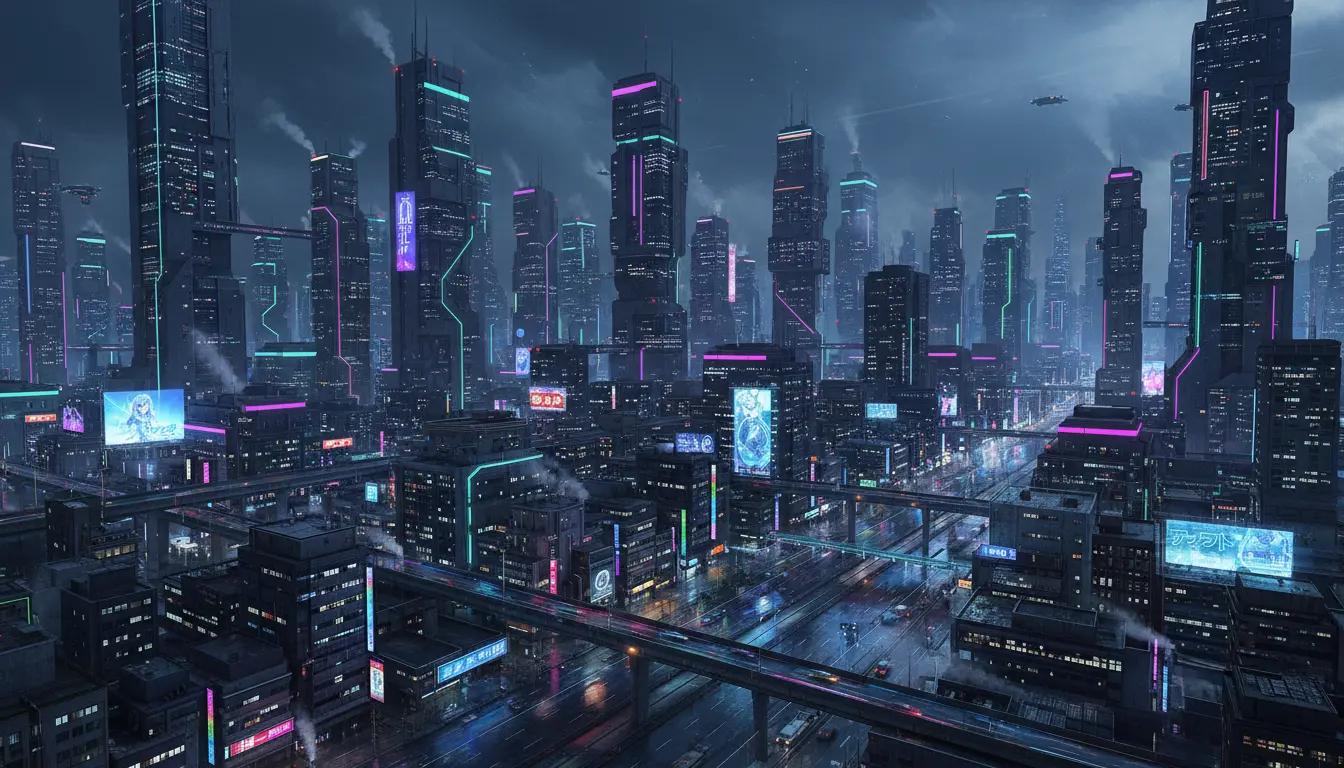
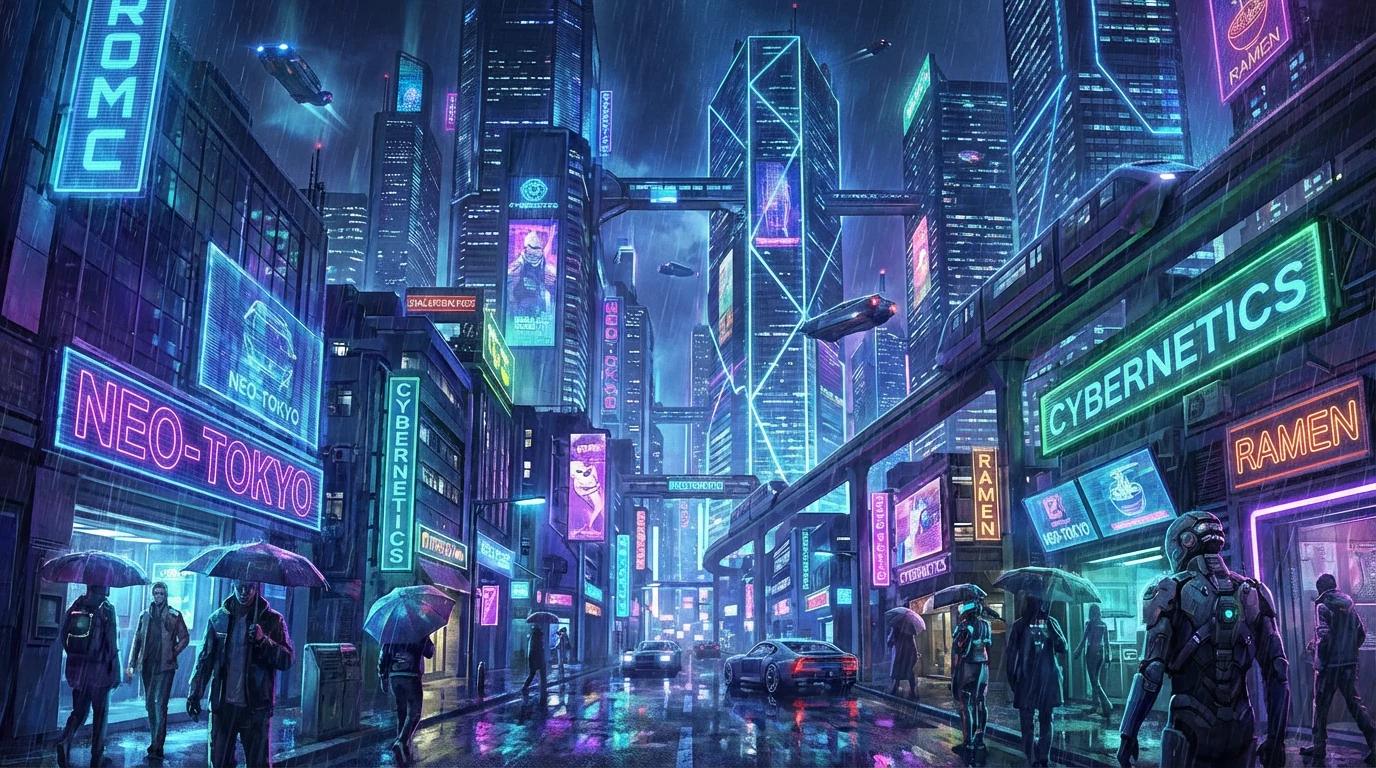
Prompt: Cyberpunk cinematic style, a futuristic city skyline with towering neon-lit skyscrapers, set at night with rain-soaked streets reflecting colorful lights, neon signs glowing and flickering across the buildings, wide-angle cityscape composition with reflections stretching across the wet pavement.
Analysis: Both models show strong prompt alignment, though the wet street reflections appear only in the Nano Banana Pro output. Both demonstrate high photorealism, but Nano Banana Pro provides slightly richer detail. No visible artifacts are observed in both results.
Final Thoughts: Nano Banana vs Nano Banana Pro
Across the three examples, both Nano Banana and Nano Banana Pro demonstrate strong prompt alignment and high photorealism in most scenarios. In simpler scenes, the two models often produce comparable results, with both generating detailed images and minimal visual artifacts.
However, Nano Banana Pro generally shows stronger performance in prompt interpretation and visual detail. It handles more complex instructions more accurately, particularly in cases involving text rendering and environmental elements such as reflections. In the product photography example, Nano Banana Pro correctly rendered the Chinese text and produced a more realistic commercial-style image, while the base Nano Banana model showed errors in text rendering.
For developers evaluating Nano Banana vs Nano Banana Pro, the choice ultimately depends on workflow priorities: faster generation and lower cost, or higher fidelity image outputs and improved prompt responsiveness.
Start testing both models and get your Nano Banana API Key and Nano Banana Pro API Key Key via PiAPI today!
Unlock the power of 20+ AI models with PiAPI — image, video, chat, music, and more. Sign up today and start building smarter, faster and at scale.