

Seedance 2.0 API Guide: ByteDance AI Video Model and Prompt Examples
The rapid progress of generative video AI has introduced a new generation of models capable of producing cinematic video directly from prompts. Among the latest entrants in this space is Seedance 2.0, a multimodal ByteDance AI video model designed to generate high-quality video from text, images, audio, and reference video.
Through the Seedance 2.0 API, developers and creators can integrate advanced video generation into applications and media workflows.
In this guide, we explore the capabilities of ByteDance Seedance 2.0, the features of the Seedance AI API, and how creators can generate cinematic outputs using structured Seedance prompts.
What is ByteDance Seedance 2.0?
Released in February 2026, Seedance 2.0 is part of ByteDance's effort to develop advanced multimodal video generation models capable of producing realistic cinematic sequences from structured inputs. It succeeds previous Seed foundational models such as the Seedream 1.0.
This design allows Seedance 2.0 AI to coordinate information from different modalities including text, images, and reference video. By combining these signals within a single generation pipeline, the model can maintain scene consistency and motion coherence across frames.
Within the Seedance AI API, this multimodal capability enables several common video generation workflows:
1. Text-to-Video (T2V) generation from written prompts
2. Image-to-Video (I2V) animation using reference images
3. Reference-to-Video (R2V) generation guided by existing video inputs
This architecture allows developers to build flexible AI video pipelines while enabling creators to guide generation using a variety of input sources.
Key Features of Seedance 2.0 AI
Seedance AI by ByteDance is built with multiple key features.
Unified Multimodal Architecture
Seedance 2.0 AI supports multimodal inputs including text, images, and video. This enables flexible generation workflows such as T2V, I2V, and R2V.
Exceptional Motion Stability
The Seedance AI video generation produces videos with stable motion and realistic dynamics, helping scenes maintain natural movement across frames.
Director-Level Control
Creators can control performance, lighting, shadows, and camera movements through structured Seedance prompts, allowing precise cinematic direction.
Industry Standard Output
ByteDance Seedance 2.0 AI produces cinematic video designed to align with modern production standards, supporting high-quality visual outputs.
Flexible Generation Configurations
The Seedance AI API provides configuration options for video duration, aspect ratio, and other generation settings.
Outperforming Leading Models
On the SeedVideoBench-2.0 benchmark, Seedance 2.0 demonstrates strong performance across T2V, I2V, and multimodal generation tasks.
How the Seedance 2.0 API Works
The Seedance 2.0 API allows developers to generate video programmatically using structured prompts and multimodal inputs. A typical workflow includes three main steps:
Step 1: Write a Seedance Prompt
The process begins with writing a Seedance prompt that describes the desired scene. Effective prompts typically specify:
1. Subject of the scene
2. Environment
3. Action or motion
4. Camera movement
5. Lighting and visual style
Step 2: Submit the Request to the Seedance API
The prompt and generation parameters are sent to the Seedance AI API through an API request. Developers can also include multimodal inputs such as reference images, text, or reference videos to guide generation.
Step 3: Generate the Video Output
The Seedance AI processes the input and generates a video sequence that follows the instructions provided in the prompt. The generated video can then be downloaded or integrated into applications and media pipelines.
Seedance Prompt Examples
Clear and structured Seedance prompts help guide the video generation process and produce more consistent outputs. Below, we present five examples: three T2V generations, one I2V generation, and one R2V example demonstrating video extension.
Example 1: Cinematic Environment Scene
Seedance 2.0 Output
Prompt: A cinematic aerial shot of a coastal city at sunrise. Soft golden light reflects off the ocean while waves crash against a curved shoreline. Small fishing boats move slowly across the water as the camera glides forward above the harbor. The atmosphere feels calm and peaceful with warm morning light.
Seedance 2.0 produces a stable aerial scene with smooth forward camera motion. The lighting transitions and ocean reflections remain consistent across frames, while the movement of boats and waves maintains realistic motion dynamics.
Example 2: Product Commercial Style
Seedance 2.0 Output
Prompt: A cinematic product advertisement of a modern smartwatch placed on a reflective glass surface. The watch slowly rotates while dramatic studio lighting highlights its metallic edges and display. Soft shadows move across the surface as the camera slowly pushes in, creating a premium commercial look.
The generated video emphasizes product detail and lighting control. The rotating watch remains stable throughout the clip, while reflections and shadows maintain realistic behavior, producing a commercial-style presentation.
Example 3: Dynamic Action Scene
Seedance 2.0 Output
Prompt: A futuristic motorcycle speeding through a neon-lit city at night. Rain falls onto the street while reflections of neon signs glow on the wet pavement. The camera tracks behind the rider as the bike accelerates through narrow streets, creating a fast-paced cinematic chase scene.
Seedance 2.0 demonstrates strong motion stability in a fast-moving environment. The reflections on the wet road and neon lighting remain visually consistent while the camera tracking maintains a smooth cinematic chase perspective.
Example 4: I2V Generation
Seedance 2.0 Output
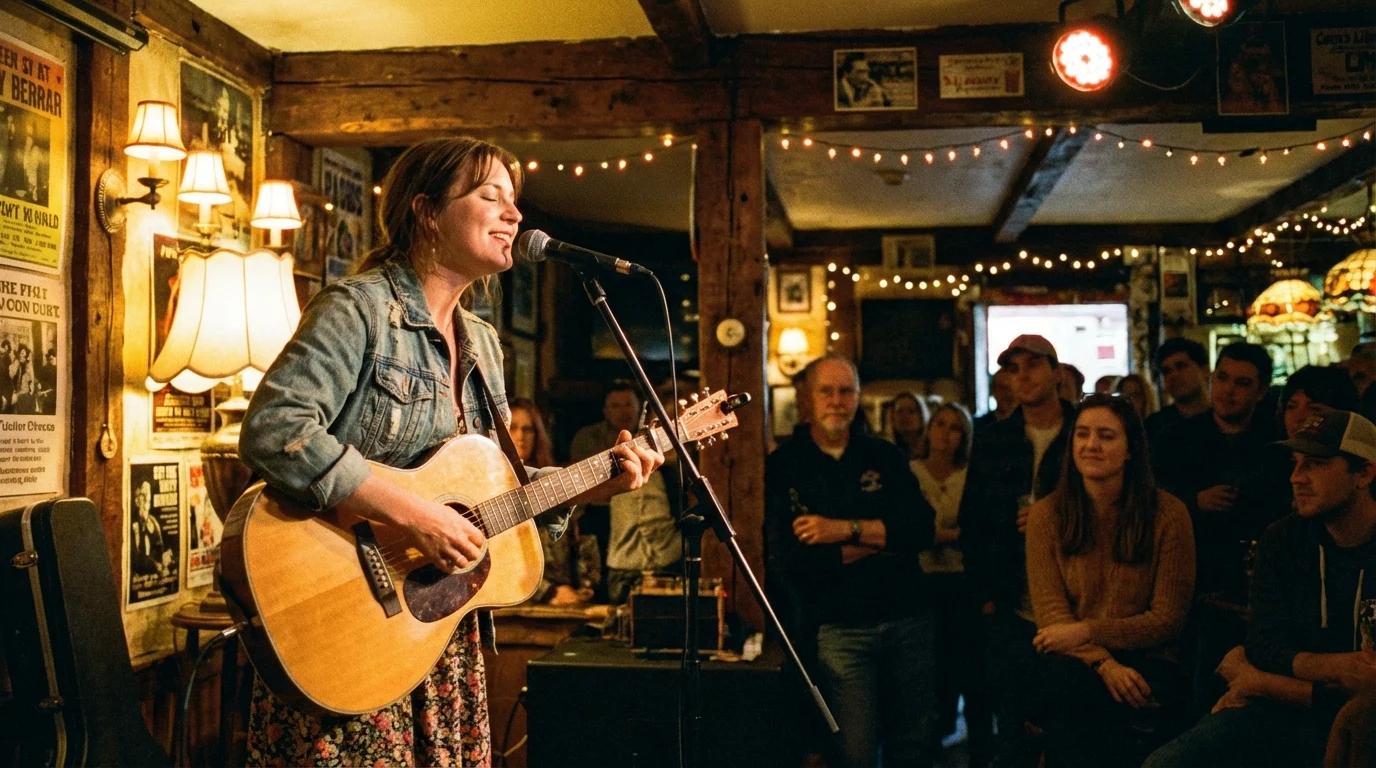
Prompt: A woman sings and strums her guitar on a small stage, warm lighting, cinematic composition.
Seedance 2.0 successfully animates the subject while preserving the identity and stage environment from the reference image. The guitar strumming and body movement appear natural, and the warm stage lighting remains consistent throughout the clip.
Example 5: R2V Generation
Seedance 2.0 Output
The R2V generation follows the video extension workflow described in the API documentation.
Seedance 2.0 extends the original video by an additional 5 seconds while maintaining scene continuity and consistent camera motion. Environmental lighting and landscape details remain stable, producing a natural continuation of the original footage.
Final Thoughts on ByteDance Seedance 2.0
The release of Seedance 2.0 marks another major step forward in the development of generative video AI.
With its unified multimodal architecture, exceptional motion stability, and director-level control, ByteDance Seedance 2.0 AI provides creators and developers with a powerful tool for producing cinematic video directly from prompts.
Through the Seedance 2.0 API, developers can integrate advanced video generation capabilities into applications and automated media workflows. To decide whether that premium is worthwhile for your workflow, see our H3-versus-Seedance price and performance test.
Start testing the model and get your Seedance 2.0 API Key via PiAPI today!
Unlock the power of 20+ AI models with PiAPI — image, video, chat, music, and more. Sign up today and start building smarter, faster and at scale.