

MiniMax H3 बनाम Seedance 2.0: क्या सीडांस की कीमत अधिक है?
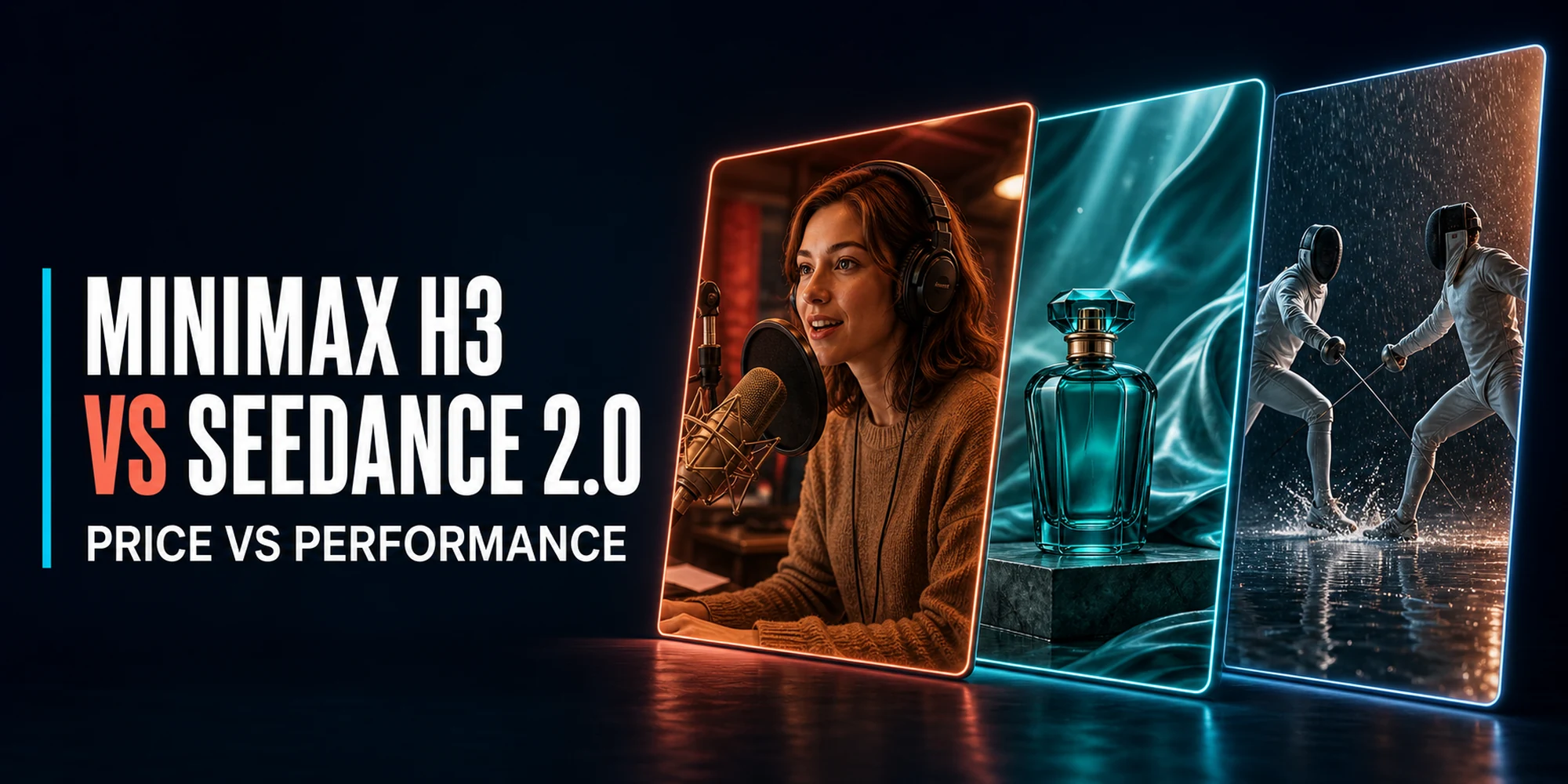
Seedance 2.0 के माध्यम से PiAPI जब आउटपुट गुणवत्ता और नियंत्रण सबसे अधिक मायने रखते हैं तो यह सबसे मजबूत विकल्प होता है। MiniMax H3 के माध्यम से PiAPI जब आपको सस्ते में पुनरावृति करने या अधिक मात्रा में उत्पादन करने की आवश्यकता हो तो यह अधिक किफायती विकल्प है। इसके पीछे यही व्यावहारिक निर्णय है MiniMax H3 बनाम Seedance 2.0 डेवलपर्स, रचनात्मक टीमों और तकनीकी रचनाकारों के लिए तुलना।
हमने दोनों मॉडलों का परीक्षण किया PiAPI अगस्त को 11, 2026, तीन परिदृश्यों में एक ही संकेत या इनपुट का उपयोग करना। हालाँकि, सीडांस ने प्रत्येक जोड़ी में मुख्य दृश्यमान निर्णय मानदंड जीता MiniMax H3 फिर भी परीक्षणित मूल्य के एक चौथाई पर आकर्षक फुटेज बनाया। यह छह-आउटपुट वाला व्यावहारिक परीक्षण है, कोई सार्वभौमिक बेंचमार्क नहीं।
सीधा उत्तर: MiniMax H3 है Miniमैक्स का ओपन-वेट वीडियो मॉडल, जबकि Seedance 2.0 बाइटडांस सीड का मल्टीमॉडल वीडियो मॉडल है। के माध्यम से PiAPI, दोनों स्टीरियो ऑडियो के साथ वीडियो उत्पन्न करते हैं; H3 कम लागत वाला विकल्प है, जबकि सीडांस हमारे परीक्षणों में व्यापक नियंत्रण और मजबूत परिणाम प्रदान करता है।
त्वरित निर्णय: Seedance 2.0 स्वच्छ संवाद मंचन, बेहतर उत्पाद-पहचान संरक्षण, और अधिक ठोस जटिल गति प्रदान की गई। MiniMax H3 लागत 75% प्रति परीक्षण आउटपुट कम और कम लागत वाली अवधारणाओं और फोटोरियलिस्टिक रीस्टाइलिंग के लिए उपयोगी रहा। सीडांस प्रदर्शन विकल्प है; H3 मूल्य विकल्प है. ये फैसला छह से आता है PiAPI पीढ़ियाँ अगस्त पर चलती हैं 11, 2026.
चाबी छीनना
- Seedance 2.0 तीनों मिलान जोड़ियों में मुख्य दृश्यमान निर्णय मानदंड जीता।
- MiniMax H3 लागत $0.25 प्रति पाँच सेकंड आउटपुट, के साथ तुलना $1.00 के लिए Seedance 2.0 Quality.
- दोनों मॉडलों ने प्रत्येक को एक अंक देते हुए सभी तीन कार्य पूरे किए 3/3 तकनीकी रूप से उपयोगी दर इस छोटे से साक्ष्य सेट में.
- H3 का औसत प्रसंस्करण समय था 178.86 सेकंड; सीडांस का था 136.57 सेकंड, हालाँकि सीडांस के पास एक था 432.30-दूसरा बाह्य.
- H3 एक स्टाइलिश उत्पाद इनपुट को एक परिष्कृत फोटोयथार्थवादी अवधारणा में बदलने में विशेष रूप से अच्छा था, लेकिन इसने उत्पाद डिज़ाइन को बदल दिया।
- सीडांस ने परीक्षण किए गए आउटपुट में बारिश, कार्रवाई की प्रगति, शारीरिक संपर्क और उत्पाद की पहचान को अधिक विश्वसनीय रूप से संभाला।
- यह तुलना केवल दृश्य प्रदर्शन का मूल्यांकन करती है; यह भाषण, ध्वनि डिज़ाइन, या लिप सिंक को रैंक नहीं करता है।
विषयसूची
- MiniMax H3 बनाम Seedance 2.0 एक नज़र में
- हमने कैसे परीक्षण किया
- परीक्षा 1: देशी-ऑडियो संवाद
- परीक्षा 2: उत्पाद छवि-से-वीडियो
- परीक्षा 3: जटिल गति और भौतिकी
- तीनों जोड़ियों ने क्या दिखाया
- API फ़ीचर अंतर
- मूल्य निर्धारण, विलंबता और वास्तविक लागत
- मॉडरेशन और "बिना सेंसर की गई" खोजें
- आपको कौन सा मॉडल चुनना चाहिए?
- सीमाएँ
- अक्सर पूछे जाने वाले प्रश्न
MiniMax H3 बनाम Seedance 2.0 एक नज़र में
नीचे दी गई क्षमता पंक्तियाँ क्या वर्णन करती हैं PiAPI परीक्षण तिथि पर उजागर हुआ। परिणाम पंक्तियाँ केवल हमारे छह मूल आउटपुट का वर्णन करती हैं।
| निर्णय बिंदु | MiniMax H3 के माध्यम से PiAPI | Seedance 2.0 के माध्यम से PiAPI |
|---|---|---|
| साझा पीढ़ी के कार्य | टेक्स्ट-टू-वीडियो; प्रथम-फ़्रेम छवि-से-वीडियो | टेक्स्ट-टू-वीडियो; प्रथम/अंतिम-फ़्रेम छवि-से-वीडियो |
| अतिरिक्त उजागर मोड | इस तुलना में किसी का उपयोग नहीं किया गया | छवि, वीडियो और ऑडियो इनपुट के साथ ओमनी-संदर्भ |
| उजागर अवधि | 5–15 सेकंड | 4–15 सेकंड |
| उजागर संकल्प | 512p या 768p | Quality स्तर: 480p, 720p, या 1080p |
| परीक्षण की गई सेटिंग | 768p, 5 सेकंड, 16:9 | Quality 720p, 5 सेकंड, 16:9 |
| जनरेट किया गया ऑडियो | स्टीरियो ऑडियो प्रलेखित; स्टीरियो AAC सभी परीक्षण में मौजूद MP4एस | स्टीरियो ऑडियो प्रलेखित; स्टीरियो AAC सभी परीक्षण में मौजूद MP4एस |
| परीक्षण दर | $0.05 प्रति सेकंड | $0.20 प्रति सेकंड |
| पाँच-सेकंड चार्ज का परीक्षण किया गया | $0.25 | $1.00 |
| माध्य प्रसंस्करण समय | 178.86 सेकंड | 136.57 सेकंड |
| तकनीकी रूप से प्रयोग करने योग्य आउटपुट | 3/3 | 3/3 |
| प्रति तकनीकी रूप से उपयोग योग्य आउटपुट की लागत | $0.25 | $1.00 |
| इन परीक्षणों से सर्वोत्तम फिट | कम लागत वाली अवधारणाएँ और फोटोरिअलिस्टिक रीस्टाइलिंग | उत्पाद निष्ठा, जटिल गति, और पॉलिश अंतिम फ़ुटेज |
मूल्य तुलना का उपयोग करता है H3 768p और प्रीमियम seedance-2 Quality पर कार्य 720p. सीडांस भी ऑफर करता है Fast और Mini स्तर, लेकिन उनमें से किसी एक को प्रतिस्थापित करने से एक अलग मूल्य-बनाम-प्रदर्शन प्रश्न का उत्तर मिलेगा।
हमने कैसे परीक्षण किया MiniMax H3 और Seedance 2.0
हमने एक प्रश्न पूछा: करता है Seedance 2.0का दृश्य प्रदर्शन चार गुना भुगतान को उचित ठहराता है H3 पांच सेकंड के लिए दर PiAPI पीढ़ी? हमने तीन परिदृश्यों में प्रति मॉडल एक आउटपुट का उपयोग किया: संवाद, उत्पाद छवि-से-वीडियो, और जटिल गति। अतिरिक्त प्रयासों का कोई छिपा हुआ पूल नहीं था।
साक्ष्य कैसे पढ़ें:
- प्रलेखित क्षमता इसका अर्थ है वर्तमान में उजागर कोई विशेषता या सीमा PiAPI उत्पाद विन्यास या API दस्तावेज़ीकरण.
- मूल अवलोकन इसका अर्थ है छह बनाए गए आउटपुट में से किसी एक में दिखाई देने वाली या उसमें दर्ज की गई कोई चीज़ PiAPI कार्य डेटा.
- व्याख्या इसका मतलब उन तथ्यों और टिप्पणियों के आधार पर हमारी वर्कफ़्लो अनुशंसा है, न कि सार्वभौमिक मॉडल रैंकिंग।
दोनों मॉडलों को प्रत्येक जोड़ी के भीतर समान सबमिट किए गए संकेत प्राप्त हुए। हमने पांच सेकंड की अवधि का मिलान किया और 16:9 पहलू अनुपात, फिर उपलब्ध निकटतम गुणवत्ता-उन्मुख रिज़ॉल्यूशन का चयन करें: H3 पर 768p और Seedance Quality पर 720p. यह रिज़ॉल्यूशन बेमेल अपरिहार्य और प्रकट है; परीक्षण यह साबित नहीं करता कि संकल्प के कारण कोई परिणाम आया।
हमने एक आउटपुट को तकनीकी रूप से प्रयोग करने योग्य माना जब वह पूरा हो गया, वैध के रूप में डाउनलोड किया गया MP4, अनुरोधित सामान्य अवधि और आयाम थे, और तुलनात्मक साक्ष्य के रूप में निरीक्षण किया जा सकता था। "उत्पादन स्वीकृत" सख्त है और वास्तविक रचनात्मक संक्षिप्त की आवश्यकताओं पर निर्भर करता है, इसलिए यह आलेख केवल तकनीकी रूप से उपयोग योग्य दर की रिपोर्ट करता है।
प्रसंस्करण समय से चलता है PiAPI कार्य आरंभ से कार्य समाप्ति तक। अंत से अंत तक का समय सृजन से पूर्ण होने तक चलता है। एक असफल, नियंत्रित, समय-बाह्य, या आरोपित अस्वीकृत कार्य भाजक और कुल लागत में बना रहेगा। इस दौड़ में, सभी छह कार्य बिना किसी पुन: प्रयास, विफलता, मॉडरेशन ईवेंट या रिफंड के पूरे हो गए।
दृश्य मूल्यांकन में त्वरित पालन, दृश्य गुणवत्ता, विवरण, कलाकृतियाँ, गति और शारीरिक संपर्क, पहचान स्थिरता और संभावित व्यावसायिक उपयोगिता पर विचार किया गया। नीचे दिए गए उदाहरण संख्यात्मक स्कोरकार्ड के बजाय छोटे तुलना पैराग्राफ का उपयोग करते हैं क्योंकि एक पीढ़ी सटीक मॉडल-व्यापी स्कोर का समर्थन नहीं कर सकती है।
परीक्षा 1: मूल-ऑडियो संवाद
इच्छित पंक्ति थी "तेजी से निर्माण करें, और अधिक बनाएं।" विंडोज़ कमांड-लाइन उद्धरण समस्या ने सबमिशन से पहले प्रॉम्प्ट को छोटा कर दिया। दोनों APIको वही छोटा संकेत प्राप्त हुआ, इसलिए जोड़ी मेल खाती रहती है, लेकिन यह उदाहरण केवल एक अनुरोधित शब्द का परीक्षण करता है। हमने प्रतिस्थापन आउटपुट नहीं खरीदा या गलती नहीं छिपाई।
दोनों मॉडलों द्वारा सटीक संकेत प्राप्त हुआ
Cinematic medium close-up of an adult woman hosting a late-night radio show in a warm studio. She looks into the camera and clearly says, Buildसेटिंग्स: टेक्स्ट-टू-वीडियो; पाँच सेकंड; 16:9; H3 768p; Seedance Quality 720p; प्रति मॉडल एक आउटपुट।
MiniMax H3 मिलान किए गए रेडियो-स्टूडियो संवाद प्रॉम्प्ट से आउटपुट।
Seedance 2.0 मिलान किए गए रेडियो-स्टूडियो संवाद प्रॉम्प्ट से आउटपुट।
सीडांस अधिक सुसंगत रेडियो-स्टूडियो दृश्य बनाता है: इसकी व्यापक संरचना, कंसोल, माइक्रोफ़ोन आर्म, प्रकाश व्यवस्था और पृष्ठभूमि दृश्यमान पाठ के बिना स्थिर रहती है। H3 एक तेज़, ऊर्जावान क्लोज़-अप और एक सुसंगत प्रस्तुतकर्ता प्रदान करता है, लेकिन यह प्रमुख अनचाहे छद्म-अक्षरों को जोड़ता है जिससे शॉट का उपयोग करना कठिन हो जाता है। सीडांस ने रचना और उत्पादन पॉलिश पर दृश्य तुलना में जीत हासिल की।
परीक्षा 2: उत्पाद छवि-से-वीडियो
इस परीक्षण ने प्रत्येक मॉडल को उसके डिज़ाइन को बनाए रखते हुए समान प्रकाशन-सुरक्षित इत्र छवि को एनिमेट करने के लिए कहा। स्रोत एक शैलीबद्ध पोर्ट्रेट छवि है, जबकि अनुरोधित आउटपुट लैंडस्केप है। इसलिए यह जोड़ी पहलू-अनुपात अनुकूलन और पहचान प्रतिधारण को मापती है, न कि पूर्ण प्रथम-फ़्रेम संरक्षण को।

सटीक संकेत
Premium fragrance commercial. Preserve the exact bottle shape, teal glass, cap, label placement, and marble surface from the first frame. The camera makes a slow smooth push-in while a pale silk ribbon moves gently behind the bottle and tiny water droplets catch the light. Keep the product centered and unchanged. Realistic materials, restrained motion, no new objects, no rewritten text, no logo changes.सेटिंग्स: प्रथम-फ़्रेम छवि-से-वीडियो; पाँच सेकंड; 16:9; H3 768p; Seedance Quality 720p; प्रति मॉडल एक आउटपुट।
MiniMax H3 साझा संदर्भ छवि से उत्पन्न उत्पाद एनीमेशन।
Seedance 2.0 साझा संदर्भ छवि से उत्पन्न उत्पाद एनीमेशन।
H3 चैती कांच, संगमरमर, प्रकाश व्यवस्था और संयमित कपड़े की गति के साथ सपाट चित्रण को एक आकर्षक फोटोरिअलिस्टिक इत्र विज्ञापन में बदल देता है। यह बोतल, टोपी, लेबल और ग्राफिक शैली को भी काफी हद तक नया स्वरूप देता है। सीडांस एक नियंत्रित रेशम पृष्ठभूमि और पेडस्टल जोड़ते हुए मूल सिल्हूट, डार्क कैप, हाइलाइट और गोलाकार विवरण को अधिक बरकरार रखता है। जब उत्पाद की पहचान मायने रखती है तो सीडेंस बेहतर होता है; H3 काल्पनिक अवधारणा विकास या जानबूझकर पुन: स्टाइलिंग के लिए आकर्षक है।
परीक्षा 3: जटिल गति और भौतिकी
अंतिम संकेत में दो विषयों, समयबद्ध क्रियाएं, बारिश, कपड़ों की आवाजाही, एक पोखर इंटरैक्शन, कैमरा ट्रैकिंग और उत्पन्न ध्वनि को जोड़ा गया। पांच सेकंड एक मांग सीमा है, इसलिए हमने प्रत्येक वाक्यांश के पूरी तरह से प्रदर्शित होने की अपेक्षा करने के बजाय मूल्यांकन किया कि क्या मुख्य क्रिया पठनीय रही।
सटीक संकेत
Cinematic rainy-night fencing scene in a stone courtyard. Two adult fencers circle once, exchange three fast blade strikes, then the fencer in red parries and steps through a shallow puddle, sending a realistic splash sideways. Their coats react naturally to movement and rain. The camera tracks smoothly from left to right. Metallic blade impacts, rainfall, and footsteps are synchronized. No dialogue, no slow motion, no cuts, no text.सेटिंग्स: टेक्स्ट-टू-वीडियो; पाँच सेकंड; 16:9; H3 768p; Seedance Quality 720p; प्रति मॉडल एक आउटपुट।
MiniMax H3 मिलान किए गए बरसाती बाड़ लगाने के प्रॉम्प्ट से आउटपुट।
Seedance 2.0 मिलान किए गए बरसाती बाड़ लगाने के प्रॉम्प्ट से आउटपुट।
सीडेंस मजबूत क्रिया परिणाम देता है। बारिश दिखाई दे रही है, लाल और गहरे रंग की बाड़ें पढ़ने योग्य बनी हुई हैं, आदान-प्रदान पूरे आंगन में आगे बढ़ता है, और अंतिम पोखर छप आंदोलन से जुड़ता है। H3 दो सेनानियों और एक स्थिर वातावरण को बनाए रखता है, लेकिन कमजोर बारिश और कोट प्रतिक्रिया और कम ठोस ब्लेड-टू-हैंड इंटरैक्शन के साथ दृश्य सपाट दिखता है। दृश्य गति स्पष्टता, वातावरण, शारीरिक संपर्क और सिनेमाई समापन पर सीडांस जीतता है।
वीडियो की गुणवत्ता, त्वरित पालन और गति परिणाम
परीक्षा परिणाम: छह के पार PiAPI अगस्त को पीढ़ियां 11, 2026, सीडांस ने तीनों मिलान जोड़ियों में मुख्य दृश्यमान निर्णय मानदंड जीता। H3 लागत $0.25 प्रति पाँच-सेकंड आउटपुट; Seedance Quality लागत $1.00.
इन तीन एक-शॉट जोड़ियों में, सीडांस महत्वपूर्ण दृश्य विवरणों को संरक्षित करने में अधिक भरोसेमंद था। इसके संवाद शॉट में कोई छद्म पाठ नहीं था, इसके उत्पाद शॉट ने एक कठिन रीफ़्रेमिंग कार्य के दौरान अधिक पहचान बनाए रखी, और इसके बाड़ लगाने के क्रम में स्पष्ट पर्यावरणीय और इंटरैक्शन संकेत दिखाई दिए। वे लाभ तब अधिक मायने रखते हैं जब किसी टीम को एक अंतिम परिसंपत्ति की आवश्यकता होती है, न कि जब उसे किसी मोटे अवधारणा की आवश्यकता होती है।
H3 सबसे मजबूत क्षण उत्पाद आउटपुट था। इसके संस्करण ने पहचान-संरक्षण संक्षिप्त का बारीकी से पालन नहीं किया, लेकिन फोटोरिअलिस्टिक रेस्टलिंग एक अभियान की दिशा को प्रेरित करने के लिए पर्याप्त रूप से पॉलिश की गई थी। पर $0.25 प्रति प्रयास, टीमें चार का पता लगा सकती हैं H3 एक परीक्षण की कीमत के लिए पीढ़ियाँ Seedance Quality पीढ़ी—हालाँकि चार प्रयास यह गारंटी नहीं देते कि कोई सीडांस से मेल खाएगा।
ऑडियो प्रदर्शन इस तुलना के दायरे से बाहर है। तकनीकी निरीक्षण से पुष्टि हुई कि प्रत्येक MP4 एक स्टीरियो शामिल है AAC ट्रैक करें, लेकिन इस आलेख में मॉडल रैंकिंग और वर्कफ़्लो अनुशंसाएँ केवल दृश्यमान आउटपुट पर आधारित हैं।
MiniMax H3 API बनाम Seedance 2.0 API विशेषताएँ
दोनों APIइस आलेख के लिए आवश्यक साझा आधार को कवर करें: उत्पन्न स्टीरियो ऑडियो के साथ टेक्स्ट-टू-वीडियो और छवि-वातानुकूलित वीडियो पीढ़ी। MiniMax H3 API प्रलेखन एक सरल सतह को उजागर करता है: txt2video और प्रथम-फ़्रेम img2video, 512p या 768p, 5–15 सेकंड, और 16:9, 9:16, या 1:1 आउटपुट. क्रमशः MiniMax H3 API मार्गदर्शक इसमें अनुरोध निकाय, मतदान और समस्या निवारण शामिल हैं।
Seedance 2.0 API प्रलेखन एक व्यापक उत्पादन टूलकिट का वर्णन करता है। टेक्स्ट-टू-वीडियो के अलावा, सीडांस प्रथम/अंतिम-फ़्रेम पीढ़ी और एक ओमनी-संदर्भ मोड का समर्थन करता है जो छवि, वीडियो और ऑडियो संदर्भ स्वीकार कर सकता है। PiAPI उजागर 4–15 दूसरी अवधि, छह पहलू अनुपात, और Quality, Fast, और Mini कार्य प्रकार. Quality कार्य समर्थन करता है 480p, 720p, और 1080p. देखें Seedance 2.0 API मार्गदर्शक और उदाहरण मॉडल-विशिष्ट वॉकथ्रू के लिए।
इन अतिरिक्त सीडांस मोड ने साझा परीक्षण परिणाम को प्रभावित नहीं किया: हमने केवल एक मिलान टेक्स्ट प्रॉम्प्ट या प्रथम-फ़्रेम छवि का उपयोग किया। वे वर्कफ़्लो चयन के लिए मायने रखते हैं। यदि किसी प्रोजेक्ट को एंड-फ़्रेम नियंत्रण, एकाधिक दृश्य संदर्भ, गति संदर्भ, या ऑडियो संदर्भ की आवश्यकता है, तो सीडांस उपकरण प्रदान करता है H3 का वर्तमान PiAPI एकीकरण उजागर नहीं होता.
Miniअधिकतम प्रकाशित करती है H3 तौल, इसलिए "ओपन-वेट" सटीक वर्णन है। यह तकनीकी रूप से सक्षम टीमों को होस्ट के बाहर एक और तैनाती पथ देता है API. इसका मतलब स्थानीय तैनाती नहीं है और PiAPI इसमें समान प्रदर्शन, सुरक्षा नियंत्रण, हार्डवेयर आवश्यकताएँ या कार्य विकल्प होंगे।
MiniMax H3 बनाम Seedance 2.0 मूल्य निर्धारण, विलंबता और वास्तविक लागत
अगस्त को 11, 2026, PiAPI कीमत H3 768p पर $0.05 प्रति अनुरोधित दूसरा और Seedance Quality 720p पर $0.20 प्रति अनुरोधित सेकंड। प्रत्येक पाँच-सेकंड H3 कार्य इसलिए लागत $0.25, और प्रत्येक सीडांस कार्य की लागत $1.00. पूर्ण परीक्षण लागत $0.75 के लिए H3 और $3.00 सीडांस के लिए, या $3.75 संयुक्त.
| उत्पादन | प्रोसेसिंग समय | अंत से अंत तक का समय | वास्तविक शुल्क |
|---|---|---|---|
| H3 वार्ता | 178.28एस | 178.52एस | $0.25 |
| सीडेंस संवाद | 136.57एस | 137.43एस | $1.00 |
| H3 उत्पाद I2V | 192.19एस | 193.58एस | $0.25 |
| सीडांस उत्पाद I2V | 432.30एस | 433.79एस | $1.00 |
| H3 बाड़ लगाना | 178.86एस | 179.95एस | $0.25 |
| सीडांस बाड़ लगाना | 123.30एस | 123.73एस | $1.00 |
H3 का औसत प्रसंस्करण समय था 178.86 सेकंड, जबकि सीडांस का था 136.57 सेकंड. सीडांस दो जोड़ियों में तेज़ था, लेकिन इसके उत्पाद कार्य में समय लगा 432.30 सेकंड और एक सरल निष्कर्ष "सीडांस हमेशा तेज़ होता है" को रोकता है। विलंबता कतार और कार्यभार के साथ बदलती रहती है, इसलिए ये आंकड़े अवलोकन हैं, सेवा गारंटी नहीं।
दोनों मॉडल पूरे हो गए 3/3 कार्य. असफल या आरोपित अस्वीकृत प्रयासों के बिना, तकनीकी रूप से उपयोग योग्य आउटपुट की लागत कार्य मूल्य के बराबर होती है: $0.25 के लिए H3 और $1.00 सीडांस के लिए. सूत्र हैं:
usable rate = technically usable outputs / total attempts
cost per usable output = total charged generation cost / technically usable outputs
यहीं पर खरीदारी का निर्णय ठोस हो जाता है। H3 विचार-विमर्श, त्वरित अन्वेषण, बड़े बैच और वर्कफ़्लो के लिए मजबूर है जहां कोई व्यक्ति परिणामों का चयन या संपादन करेगा। जब पहचान, गति, भौतिकी और प्रथम-पास पॉलिश महंगी समीक्षा या पुनर्जनन कार्य को कम कर देती है तो सीडांस के प्रीमियम को उचित ठहराना आसान हो जाता है। समीक्षा मौजूदा PiAPI मूल्य निर्धारण उत्पादन बैच का बजट बनाने से पहले।
है MiniMax H3 की तुलना में बिना सेंसर किया हुआ Seedance 2.0?
कोई होस्ट नहीं किया गया API इसे केवल "बिना सेंसर किया हुआ" के रूप में वर्णित किया जाना चाहिए। PiAPI का वर्तमान H3 एकीकरण उजागर करता है txt2video और img2video; यह एक अलग को उजागर नहीं करता H3 कम प्रतिबंध वाला कार्य. Seedance 2.0 कम-प्रतिबंध वाले वेरिएंट को अलग से नामित किया गया है, लेकिन "कम प्रतिबंध" का मतलब अप्रतिबंधित उपयोग नहीं है। PiAPI नीति और लागू कानून अभी भी लागू हैं।
तीन संदर्भों को अलग करना भी महत्वपूर्ण है। Miniमैक्स का खुला वजन H3 रिलीज़ को इसके लागू लाइसेंस और कॉन्फ़िगरेशन के तहत स्थानीय रूप से तैनात किया जा सकता है। एक तृतीय-पक्ष होस्ट अपना स्वयं का मॉडरेशन जोड़ सकता है। PiAPI अपने प्रलेखित कार्य प्रकारों और नीतियों के साथ एक होस्टेड एकीकरण प्रदान करता है। एक परिवेश के बारे में दावा स्वचालित रूप से अन्य दो का वर्णन नहीं करता है।
हमने इस आलेख के लिए स्पष्ट-सामग्री परीक्षण नहीं चलाया। अनुमत सामग्री का मूल्यांकन करने वाले पाठकों को इसका उपयोग करना चाहिए PiAPI सामग्री नीति और सोशल-मीडिया दावों के बजाय वर्तमान कार्य दस्तावेज़ीकरण MiniMax H3 uncensored पहुँच।
आपको कौन सा मॉडल चुनना चाहिए?
चुनना Seedance 2.0 Quality जब आउटपुट अंतिम उत्पादन परिसंपत्ति के करीब होता है और दृश्य त्रुटियों की लागत अतिरिक्त उत्पादन शुल्क से अधिक हो जाती है। यह हमारी संवाद संरचना, उत्पाद-पहचान और जटिल-गति उदाहरणों में बेहतर विकल्प था। यह संदर्भ-भारी वर्कफ़्लो के लिए भी स्पष्ट विकल्प है क्योंकि PiAPI प्रथम/अंतिम-फ़्रेम और सर्व-संदर्भ मोड को उजागर करता है।
चुनना MiniMax H3 जब बजट, पुनरावृत्ति की मात्रा, या ओपन-वेट पारिस्थितिकी तंत्र सबसे मजबूत पहला आउटपुट प्राप्त करने से अधिक मायने रखता है। यह दिखने में आकर्षक फुटेज बना सकता है, और इसके उत्पाद की रीस्टाइलिंग ने वास्तविक रचनात्मक मूल्य दिखाया है। परीक्षण की गई दर पर, यह एक की पीढ़ी कीमत के लिए चार प्रयासों का समर्थन करता है Seedance Quality कोशिश करना।
| कार्यप्रवाह | बेहतर फिट | क्यों |
|---|---|---|
| परिष्कृत संवाद रचना | Seedance 2.0 | साफ़-सुथरा परीक्षण किया गया फ़्रेम और अधिक सुसंगत स्टूडियो स्टेजिंग; ऑडियो फैसला लंबित है |
| पहचान-संवेदनशील उत्पाद एनीमेशन | Seedance 2.0 | स्रोत बोतल के अधिक सिल्हूट और विवरण संरक्षित किए गए |
| काल्पनिक उत्पाद अवधारणाएँ या पुन: स्टाइलिंग | MiniMax H3 | कम उत्पादन लागत पर आकर्षक फोटोयथार्थवादी उपचार |
| जटिल क्रिया और पर्यावरण भौतिकी | Seedance 2.0 | साफ़ बारिश, गति की प्रगति, छींटे, और शारीरिक संपर्क |
| उच्च मात्रा में विचार | MiniMax H3 | $0.25 प्रति परीक्षण आउटपुट बनाम $1.00 के लिए Seedance Quality |
| प्रथम/अंतिम-फ़्रेम या मल्टीमॉडल संदर्भ | Seedance 2.0 | व्यापक PiAPI-उजागर संदर्भ मोड |
मूल ऑडियो के लिए, अकेले भाषण या सिंक्रोनाइज़ेशन चुनने से पहले सुनने की समीक्षा की प्रतीक्षा करें।
इस तुलना की सीमाएँ
यह छह-आउटपुट था PiAPI तुलना अगस्त को आयोजित की गई 11, 2026: तीन परिदृश्यों में प्रति मॉडल एक प्रयास। यह दोहराव, आउटपुट विचरण, या सांख्यिकीय रूप से विश्वसनीय सफलता दर को माप नहीं सकता है। एक अलग संकेत, बीज, अवधि, मोड, प्रदाता, या मॉडल अद्यतन एक अलग परिणाम उत्पन्न कर सकता है।
संकल्प करीब थे लेकिन समान नहीं थे: H3 इस्तेमाल किया गया 768p और सीडांस का उपयोग किया गया 720p. उत्पाद इनपुट था 9:16 जबकि आउटपुट थे 16:9. डायलॉग प्रॉम्प्ट को पहले छोटा कर दिया गया था API सबमिशन, हालांकि दोनों मॉडलों को एक ही अंतिम पाठ प्राप्त हुआ। दृश्य मूल्यांकन संपादकीय और व्यक्तिपरक होता है, भले ही वह सटीक संकेतों और रखी गई फाइलों पर आधारित हो।
अंततः, ऑडियो प्रदर्शन मूल्यांकन के दायरे से बाहर था। इसलिए निष्कर्ष दृश्य आउटपुट गुणवत्ता, त्वरित पालन, गति, पहचान स्थिरता, विलंबता और लागत पर लागू होते हैं - भाषण सटीकता, ध्वनि प्रभाव या लिप सिंक पर नहीं।
अक्सर पूछे जाने वाले प्रश्नों
है MiniMax H3 से बेहतर Seedance 2.0?
MiniMax H3 कम लागत वाली पुनरावृत्ति के लिए बेहतर है; Seedance 2.0 हमारे परीक्षणों में प्रीमियम आउटपुट गुणवत्ता के लिए बेहतर है। सीडांस ने दृश्यमान संवाद, उत्पाद-निष्ठा और जटिल-गति तुलनाओं में जीत हासिल की। H3 लागत 75% प्रति पांच सेकंड में कम आउटपुट, इसे तब आकर्षक बनाता है जब वॉल्यूम और प्रयोग फर्स्ट-पास पॉलिश से अधिक मायने रखते हैं।
जिसकी वीडियो क्वालिटी बेहतर हो, MiniMax H3 या Seedance 2.0?
Seedance 2.0 हमारी तीन मिलान जोड़ियों में बेहतर दृश्यमान गुणवत्ता उत्पन्न हुई। इसने स्वच्छ स्टूडियो स्टेजिंग, मजबूत उत्पाद-पहचान प्रतिधारण और अधिक ठोस बारिश और शारीरिक संपर्क प्रदान किया। यह निष्कर्ष इसके माध्यम से उत्पन्न छह आउटपुट पर लागू होता है PiAPI अगस्त को 11, 2026; यह एक सार्वभौमिक मॉडल रैंकिंग नहीं है.
जो कि सस्ता है PiAPI, MiniMax H3 या Seedance 2.0?
MiniMax H3 परीक्षण किए गए स्तरों पर सस्ता था। H3 768p लागत $0.05 प्रति सेकंड, जबकि Seedance 2.0 Quality 720p लागत $0.20 प्रति सेकंड. इसलिए पांच सेकंड के आउटपुट की लागत होती है $0.25 साथ H3 और $1.00 सीडांस के साथ. वर्तमान की जाँच करें PiAPI उत्पादन बैच का बजट बनाने से पहले मूल्य निर्धारण।
किस मॉडल में बेहतर देशी ऑडियो और लिप सिंक है?
इस तुलना में किसी ऑडियो विजेता का नाम नहीं बताया गया है। सभी छह फाइलों में स्टीरियो था AAC ऑडियो, लेकिन मूल्यांकन भाषण सटीकता, ध्वनि गुणवत्ता, सिंक्रनाइज़ेशन, या लिप सिंक के बजाय दृश्यमान परिणामों पर केंद्रित था। संवाद परीक्षण का दृश्य भाग सीडांस के पक्ष में था।
क्या दोनों मॉडल एक छवि से वीडियो उत्पन्न कर सकते हैं?
हाँ। PiAPI प्रथम-फ़्रेम छवि-से-वीडियो को उजागर करता है MiniMax H3 और प्रथम/अंतिम-फ़्रेम पीढ़ी के लिए Seedance 2.0. दोनों ने हमारे परीक्षण में समान परफ्यूम इनपुट को एनिमेट किया। जबकि, सीडांस ने मूल डिज़ाइन को अधिक बरकरार रखा H3 इसे अधिक फोटोरिअलिस्टिक लेकिन काफी हद तक पुन: डिज़ाइन की गई उत्पाद अवधारणा में बदल दिया।
कौन सा मॉडल अधिक संदर्भ इनपुट का समर्थन करता है PiAPI?
Seedance 2.0 के माध्यम से अधिक संदर्भ वर्कफ़्लो का समर्थन करता है PiAPI. इसका ओमनी-रेफरेंस मोड छवि, वीडियो और ऑडियो संदर्भ स्वीकार कर सकता है, जबकि पहला/अंतिम-फ्रेम मोड सीमा फ्रेम को नियंत्रित करता है। H3 का वर्तमान PiAPI एकीकरण एक टेक्स्ट प्रॉम्प्ट या एक प्रथम-फ़्रेम छवि का समर्थन करता है। हमने मिलान किए गए गुणवत्ता परीक्षणों में सीडांस के अतिरिक्त मोड को स्कोर नहीं किया।
है MiniMax H3 बिना सेंसर किया हुआ, और इसके प्रतिबंधों की तुलना कैसे की जाती है Seedance 2.0?
PiAPI कम-प्रतिबंध को उजागर नहीं करता है H3 कार्य प्रकार. सीडांस अलग-अलग नामित कम-प्रतिबंध वेरिएंट पेश करता है, लेकिन वे अभी भी मॉडरेट हैं और नीति और कानून के अधीन हैं। स्थानीय खुला वजन H3 परिनियोजन और अन्य होस्ट अलग-अलग व्यवहार कर सकते हैं, इसलिए उनकी सेटिंग्स को सामान्यीकृत न करें PiAPI की मेजबानी एकीकरण.
कौन API उत्पाद वीडियो के लिए बेहतर है?
Seedance 2.0 यह तब सुरक्षित विकल्प है जब ब्रांड और उत्पाद की पहचान को एनीमेशन में जीवित रहना चाहिए; इसने हमारी बोतल के अधिकांश आकार और ग्राफ़िक विवरणों को संरक्षित रखा। MiniMax H3 सस्ती अवधारणा अन्वेषण या जानबूझकर फोटोरिअलिस्टिक रीस्टाइलिंग के लिए उपयोगी है। किसी भी वर्कफ़्लो को स्केल करने से पहले अपनी स्वयं की प्रकाशन-सुरक्षित उत्पाद संपत्ति का परीक्षण करें।
क्या ये नतीजे एक बेंचमार्क हैं?
नहीं, यह छह आउटपुट की एक व्यावहारिक तुलना है: तीन मिलान परिदृश्यों में प्रति मॉडल एक पीढ़ी। यह दोहराव, भिन्नता, या सांख्यिकीय महत्व स्थापित नहीं करता है। हम संकेत, सेटिंग्स, लागत, कार्य रिकॉर्ड, सीमाएँ और प्रत्येक गिने हुए परिणाम को प्रकाशित करते हैं ताकि पाठक यह निर्णय कर सकें कि साक्ष्य क्या समर्थन करता है और क्या नहीं।
निष्कर्ष: सीडांस प्रदर्शन या H3 कीमत?
MiniMax H3 बनाम Seedance 2.0 निर्णय समान उत्पादों के बीच कोई बंधन नहीं है। हमारे अगस्त में 11, 2026 परीक्षणों में, सीडांस ने क्लीनर स्टेजिंग, बेहतर पहचान प्रतिधारण और अधिक ठोस जटिल गति के साथ अपना प्रीमियम अर्जित किया। H3 प्रति-आउटपुट लागत के एक चौथाई पर विश्वसनीय अवधारणा फुटेज की पेशकश की।
जब पीढ़ी को रचनात्मक समीक्षा की मांग से बचना होगा तो सीडांस चुनें। चुनना H3 जब आपको किफायती अन्वेषण, उच्च प्रयास मात्रा, या खुले-वजन-उन्मुख पथ की आवश्यकता होती है। उत्पादन से पहले, अपना स्वयं का प्रतिनिधि प्रॉम्प्ट चलाएँ और वीडियो और ऑडियो दोनों की समीक्षा करें - न कि केवल संपर्क पत्रक की।
उस परीक्षण को चलाने के लिए तैयार हैं? परीक्षा MiniMax H3 में PiAPI कार्यस्थान कम लागत वाले पथ के लिए, या परीक्षा Seedance 2.0 में PiAPI कार्यस्थान जब प्रीमियम आउटपुट गुणवत्ता प्राथमिकता हो।