
Qwen AI vs Nano Banana 2: Which AI Model API Is Better in 2026?
AI image generation models are improving fast, with better quality, control, and consistency. Two models gaining attention are Qwen Image and Nano Banana 2. Both are accessible through API integration and are used for generating images from prompts.The Qwen API focuses on higher-quality outputs and stronger prompt understanding. Nano Banana 2 is built for speed and efficient image generation at scale.Developers often compare factors like Qwen AI API access, Qwen API key setup, and Qwen API pricing when choosing between models. At the same time, many are exploring how to use Nano Banana 2 and testing different prompt styles.In this guide, we compare Qwen AI vs Nano Banana 2 to help you choose the right image generation model for your needs in 2026.
What is Qwen AI?
Qwen AI is an image generation model developed by Alibaba, designed to create high-quality images from text prompts.It is accessed through the Qwen API, allowing developers to generate images programmatically for apps, tools, and creative use cases.The model is known for strong prompt understanding and more detailed outputs. It performs well when generating structured scenes, specific styles, or complex visual instructions.To get started, developers need a Qwen AI API key, which is used to authenticate API requests and connect to the model.You can explore the model via the Qwen api and refer to the Qwen api documentations for setup and usage.
What is Nano Banana 2?
Nano Banana 2 is an image generation model designed for fast and efficient image creation from text prompts.It is built for developers who need quick outputs and scalable performance, especially in applications that require high-volume image generation.The model is accessible through the nano banana 2 api, making it easy to integrate into apps and services with minimal setup.Compared to larger models, Nano Banana 2 focuses on speed and consistency rather than deep prompt interpretation. It works best for simpler prompts, repeated tasks, and production use cases where latency matters.You can explore the model through the nano banana 2 api and refer to the nano banana 2 api documentations for setup and usage.
Model Similarities and Differences
Despite being designed for different use cases, Qwen AI and Nano Banana 2 share several core capabilities. Both models generate images from text prompts, support structured prompt inputs, and can be integrated through API-based workflows such as the Qwen API and nano banana 2 api. However, the two models differ in performance and optimization.
Image Quality
The most noticeable difference between Qwen AI and Nano Banana 2 is image quality. Qwen AI produces more detailed visuals, with better lighting, textures, and overall refinement.Nano Banana 2 generates simpler images with less detail, but remains consistent for basic outputs.
Prompt Adherence
Qwen AI demonstrates stronger prompt understanding, especially for complex or detailed prompts. It handles multiple elements and structured scenes more accurately.Nano Banana 2 works best with simpler prompts. Developers often rely on a clear prompt guide to improve consistency.
Generation Stability
Qwen AI provides more stable outputs with fewer visual artifacts, especially in complex generations.Nano Banana 2 maintains consistency in simpler tasks but may struggle with more detailed prompts.
Speed and Efficiency
Nano Banana 2 is optimized for fast image generation and lower resource usage, making it suitable for high-volume use.Qwen AI focuses on higher-quality outputs, which may come with slightly slower generation times.
Pricing Comparison
Pricing is an important factor when choosing between Qwen AI and Nano Banana 2, especially for large-scale image generation.
Qwen API Pricing
Qwen AI uses a simple pricing model at $0.015 per image, based on PiAPI documentation. This makes it straightforward for developers to estimate costs when scaling usage through the Qwen API docs.
Nano Banana API Pricing
Nano Banana 2 pricing starts from $0.06 per image, depending on resolution.For full pricing details and supported configurations, refer to the nano banana 2 api docs.
Prompt Tips
Good prompts make a big difference in image quality and consistency.
Qwen AI
Qwen AI handles detailed prompts well. Use clear descriptions, styles, and scene details for better results.For best practices, refer to the qwen ai best prompt practices.
Nano Banana 2
Nano Banana 2 works best with simple and direct prompts. Keep prompts short and structured for consistent outputs.You can follow a refer to the nano banana 2 prompt guide here.
Evaluation Methodology
To ensure a fair comparison, both Qwen AI and Nano Banana 2 are evaluated using a structured framework adapted from Labelbox-style image assessment.
Each generated image is assessed across:
1. Prompt adherence
2. Image quality
3. Composition and realism
4. Artifacts
All examples use the same prompts to isolate model performance.
Example Comparisons
Below are a few prompt examples to compare Qwen AI and Nano Banana 2 outputs.
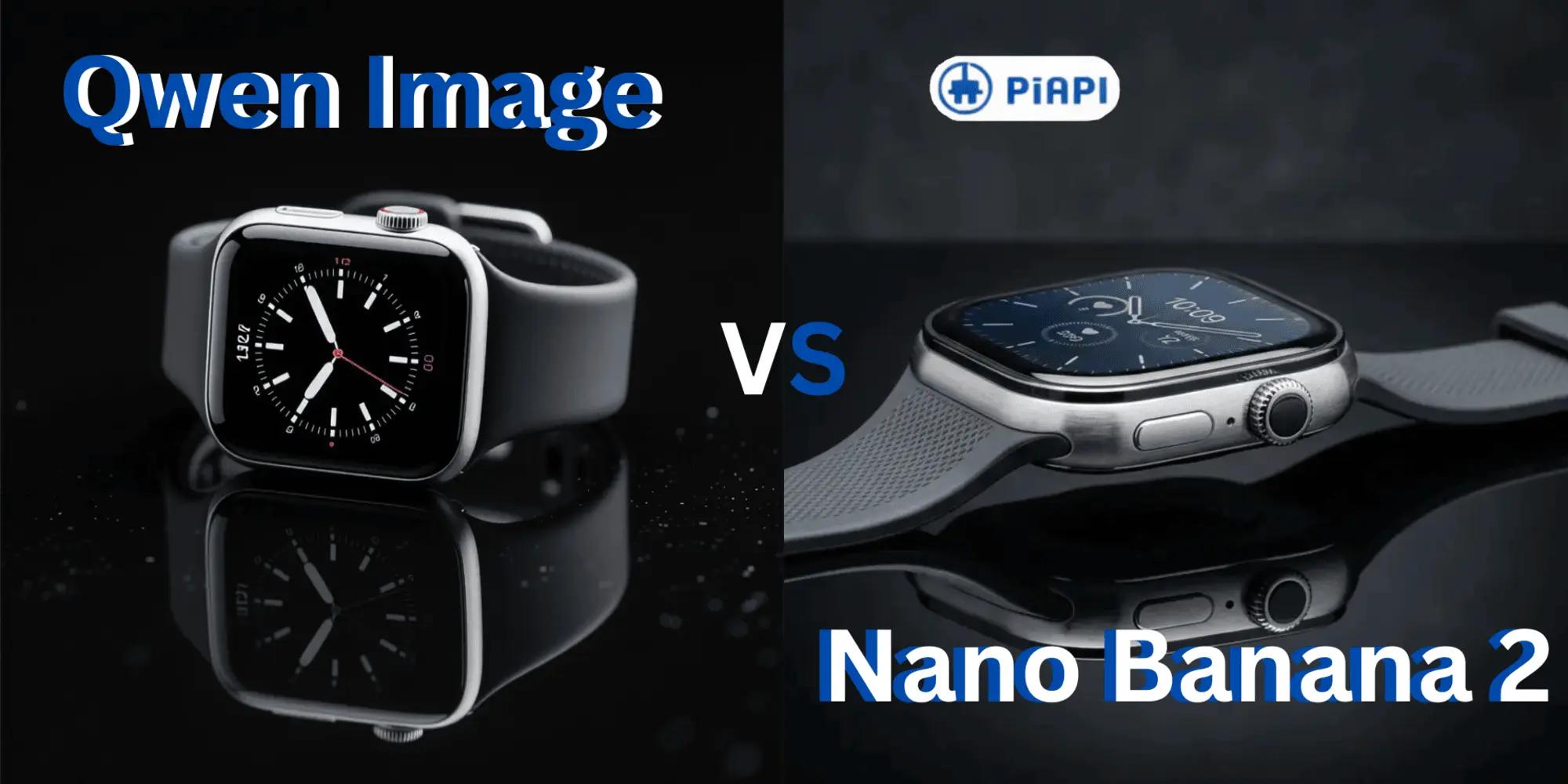
Example 1 Product + Lighting Control
Prompt:
a premium smartwatch on a black reflective surface, studio lighting, sharp reflections, minimal luxury style, high detail
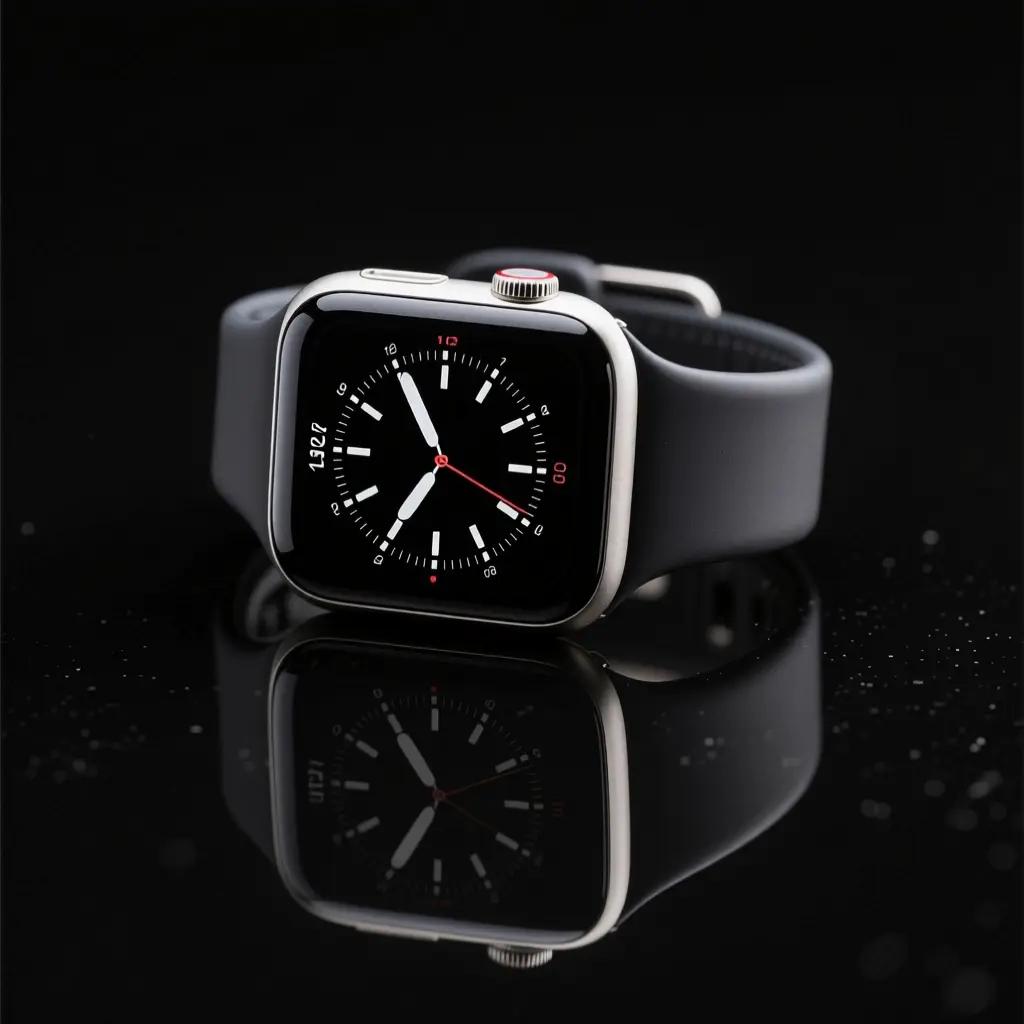
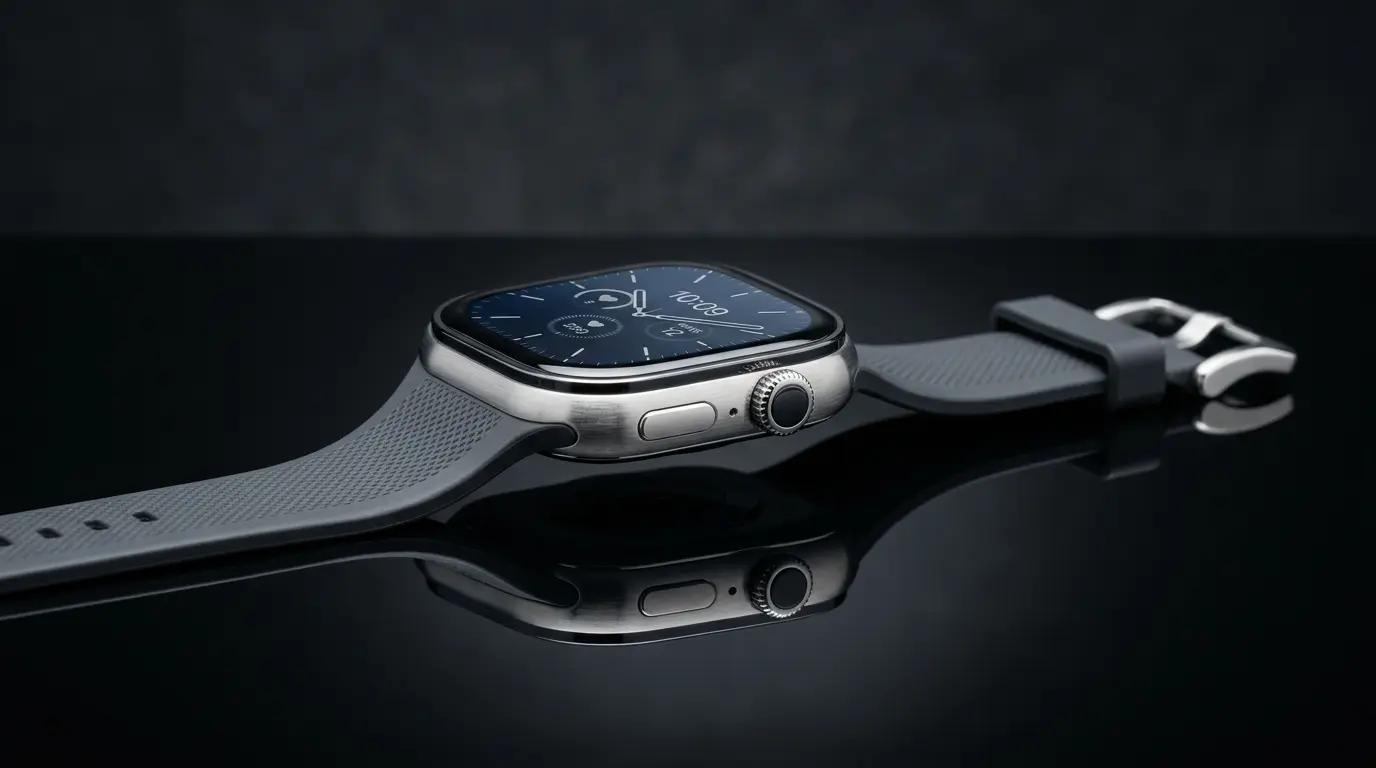
Evaluation:
Qwen AI shows stronger prompt adherence and overall image quality, producing a sharper and more polished smartwatch with clean lighting and a well-defined reflective surface. The composition feels balanced and aligned with a premium product shot, with minimal visible artifacts. Nano Banana 2 also follows the prompt well, especially in terms of reflection and product placement, but the image appears softer with less refined detail and slightly flatter lighting. While both outputs are usable, Qwen AI delivers a more realistic and high-end result, whereas Nano Banana 2 prioritizes simplicity and speed over fine detail.
Example 2 Human + Realism
Prompt:
a street-style photo of a young woman walking across a pedestrian crossing, casual outfit, natural lighting, slightly windy, realistic photography


Evaluation:
Qwen AI delivers stronger prompt adherence and realism, with clean composition, natural lighting, and a clear sense of motion from the hair and walking pose. The subject stands out well and the image feels like a polished street-style photograph with minimal artifacts. Nano Banana 2 also captures the scene correctly, including the crossing and urban setting, but the image appears slightly less focused on the subject, with more background distraction and softer overall detail. While both outputs are usable, Qwen AI produces a more refined and visually cohesive result, whereas Nano Banana 2 leans toward a more general and less controlled composition.
Example 3 Complex Scene + Detail
Prompt:
a futuristic control room with multiple holographic screens, glowing blue interface, a person interacting with the system, dark environment, cinematic lighting, high detail


Evaluation:
Qwen AI shows strong prompt adherence with clear holographic interfaces, consistent blue lighting, and a clean, structured control room setup. The image is sharp and easy to read, with minimal artifacts and a focused composition. Nano Banana 2 also captures the scene well and even adds more environmental depth and cinematic atmosphere, but the output is slightly more complex and less controlled, with some elements appearing busier and less defined. Overall, Qwen AI produces a cleaner and more precise result, while Nano Banana 2 delivers a more dramatic but less structured scene.
Final Thoughts
Qwen AI and Nano Banana 2 serve different needs in image generation.Qwen AI focuses on higher-quality outputs, better prompt adherence, and more consistent results across complex scenes. It is better suited for use cases that require detail, structure, and visual precision. Nano Banana 2 is built for speed and efficiency. It performs well for simpler prompts and high-volume generation, making it a practical choice for scalable applications.
Start testing both models and get your Qwen Image and Nano Banana 2 Key via PiAPI today! Unlock the power of 20+ AI models with PiAPI — image, video, chat, music, and more. Sign up today and start building smarter, faster and at scale.