
Seedance 2.5 проти Seedance 2.0: порівняння відео PiAPI
Чи варто Seedance 2.5 утричі дорожче за Seedance 2.0? Щоб дізнатися, ми згенерували шість відео через PiAPI — по одному виходу з кожної моделі через три підказки.
Seedance 2.5 виробляв сильніші кінематографічні та персонажні відео, тоді як Seedance 2.0 залишався конкурентоспроможним і особливо добре справлявся з механічною трансформацією. Оновлення має найбільший сенс, коли полірування та узгодженість символів важливіші за вартість генерації.
Швидкий вердикт: у PiAPI Seedance 2.5 від ByteDance та флагманський Seedance 2.0 (
seedance-2) є типами завдань для створення відео в робочих процесах із текстовими та графічними підказками. У нашому тесті з шістьма відео 2.5 лідирував за кінематографічністю та сталістю персонажів; 2.0 переміг у механічному русі й за опублікованими тарифами 720p коштує лише третину ціни.
- Виберіть Seedance 2.5 для фінальних знімків кампанії, кінематографічного руху та контенту, орієнтованого на персонажів.
- Виберіть Seedance 2.0 для недорогих ітерацій і простіших рухових завдань.
- Вважайте результати спрямованими: це порівняння використовує один вихід на модель у кожному сценарії.
На цій сторінці: Огляд · Метод · Відеотести · Ціновий вердикт · FAQ
Короткий огляд Seedance 2.5 проти Seedance 2.0
| Точка порівняння | API Seedance 2.5 | API Seedance 2.0 |
|---|---|---|
| Тип завдання PiAPI | seedance-2.5 | seedance-2 |
| Задокументована швидкість 720p | 0,60 $ за секунду виведення | 0,20 $ за секунду виведення |
| Помітна перевага | Кінематографічний і персонажний рух | Механічний рух продукту |
| Найкраще підходить | Кінцеві кадри, де полірування має значення | Економна ітерація |
Ціни, наведені вище, отримані від PiAPI Документація Seedance 2.5 і Документація Seedance 2.0, перевірено 4 серпня 2026 р. Перегляньте поточні контракти, перш ніж оцінювати виробниче навантаження.
Як ми тестували Seedance 2.5 проти Seedance 2.0
Ми запустили три сценарії 4 серпня 2026 року: одне підказка перетворення тексту на відео, одна анімація персонажа з одним зображенням і одне перетворення продукту від початку до кінця кадру. Кожна модель отримала однакові підказки та довідкові ресурси з одним результатом, згенерованим для сценарію.
Усі шість надісланих файлів тривають приблизно вісім секунд. Аудіо було виключено з огляду та видалено з копій публікації, тому порівняння зосереджено на візуальних характеристиках.
- Тест 1 відповідає роздільній здатності 1280×720 для обох моделей.
- Тест 2 не відповідає роздільній здатності: файл Seedance 2.0 має роздільну здатність 1920×1080, а файл Seedance 2.5 – 1280×720, тому чіткість не є частиною цього вердикту.
- Тест 3 використовує файли 1920 × 1080 з обох моделей, але його початкові та кінцеві посилання зображують помітно різні конструкції ламп.
Тест 1: Перетворення тексту на відео
Перша підказка пропонує червоному паперовому літаку перетнути освітлену сонцем бібліотеку, обернутися навколо земної кулі та приземлитися на синій блокнот одним безперервним кадром.
Single continuous 8-second cinematic shot. A bright red paper airplane launches from a wooden desk in a sunlit library, glides between two bookshelves, banks left around a brass globe, then lands open on a blue notebook. The camera follows closely at wing height in one smooth tracking move. Show believable airflow, gentle paper flex, stable red color, and warm morning light. No cuts, no people, no extra aircraft, no text, and no logos.Доставлені файли: приблизно 8 секунд · 1280×720 · 16:9 · аудіо публікації вилучено
Вихід Seedance 2.5
Відео Seedance 2.5 мало сильнішу глибину та освітлення, а рух камери надавав польоту більше імпульсу. За літаком також стало легше стежити за сценою. Вихід
Seedance 2.0
Вихід Seedance 2.0 чітко нагадує подорож від земної кулі до ноутбука, але форма та рух літака відрізнялися більше. Жодна з моделей повністю не показала відкриття літака після приземлення.
Результат тесту 1: Seedance 2.5 дав більш кінематографічний і плавний результат перетворення тексту у відео.
Тест 2: Узгодженість символів зображення й відео
Друга підказка починається з одного портрета дощової вулиці. Персонаж повинен розкрити парасольку, пройти крізь калюжу, подивитися на камеру та посміхнутися, поки камера рухається назад.
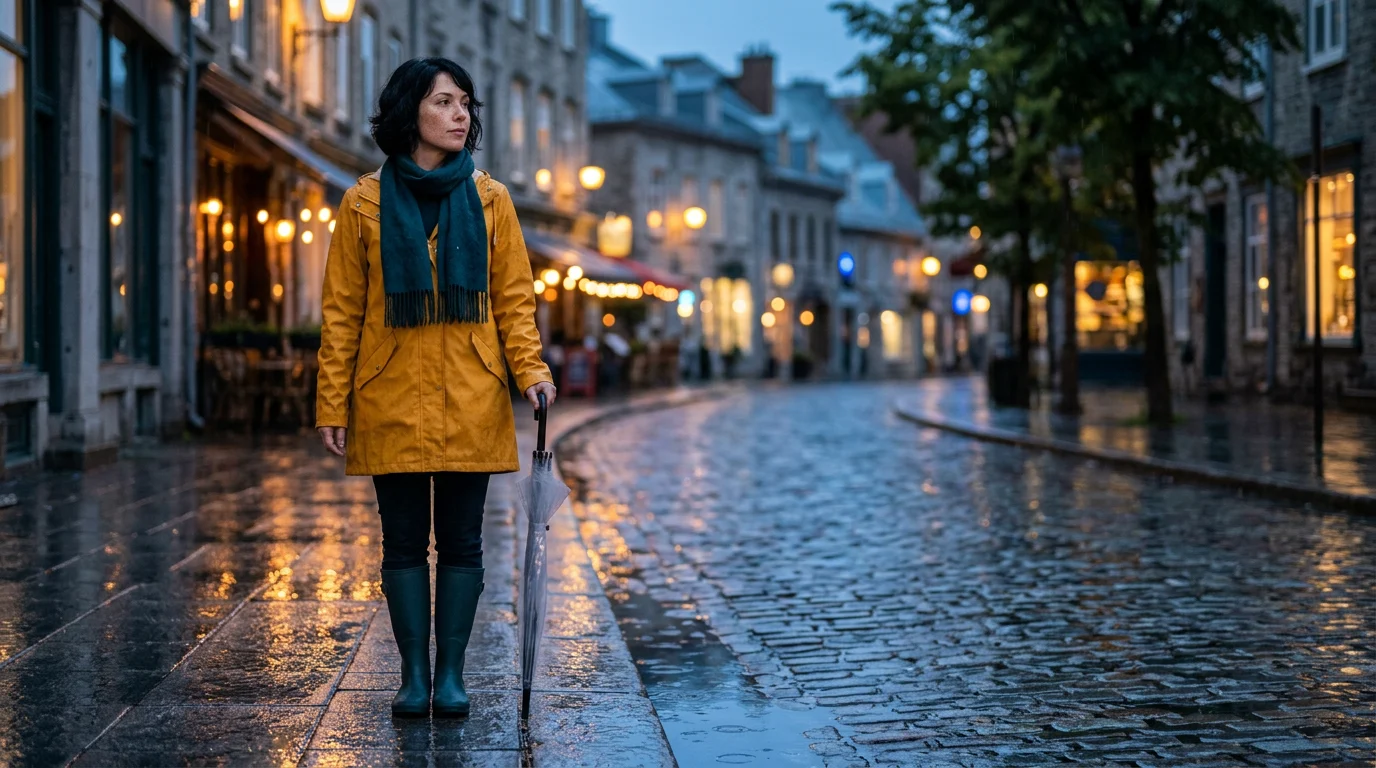
Use @image1 as the exact character and scene reference. In one continuous 8-second shot, the woman opens the transparent umbrella, takes three measured steps forward through the shallow puddle, then glances toward the camera and gives a subtle smile. The camera tracks backward smoothly at chest height. Preserve her face, freckles, hairstyle, mustard-yellow raincoat, dark teal scarf, teal boots, umbrella design, rainy street, and blue-hour lighting. Show natural hand movement, realistic rain, and a small splash at each step. No cuts, no extra people, no wardrobe changes, no text, and no logos.Доставлені файли: приблизно 8 секунд · Seedance 2.5 з роздільною здатністю 1280 × 720 · Seedance 2.0 з роздільною здатністю 1920 × 1080 · видалено аудіо публікації
Результат Seedance 2.5
Seedance 2.5 зберігає стабільність зовнішнього вигляду персонажа на кадрі, а останній погляд і посмішка здавалися більш природними. Пальто, шарф, парасолька і вулиця залишилися впізнаваними зі входу.
Вихід Seedance 2.0
Seedance 2.0 завершив дію та зберіг налаштування, але персонаж і рух дещо більше змінювалися під час просування відео. Вища роздільна здатність експорту не вважається перевагою якості в цій парі.
Результат тесту 2: Seedance 2.5 мав сильнішу послідовність символів і виразність. Різкість була виключена, оскільки роздільна здатність, що надається, відрізняється.
Тест 3: Рух продукту на початку та в кінці
Остання підказка просить складену настільну лампу розгорнути за допомогою з’єднаного шарнірного руху, поступово ввімкнути та закінчити на наданій кінцевій рамі.
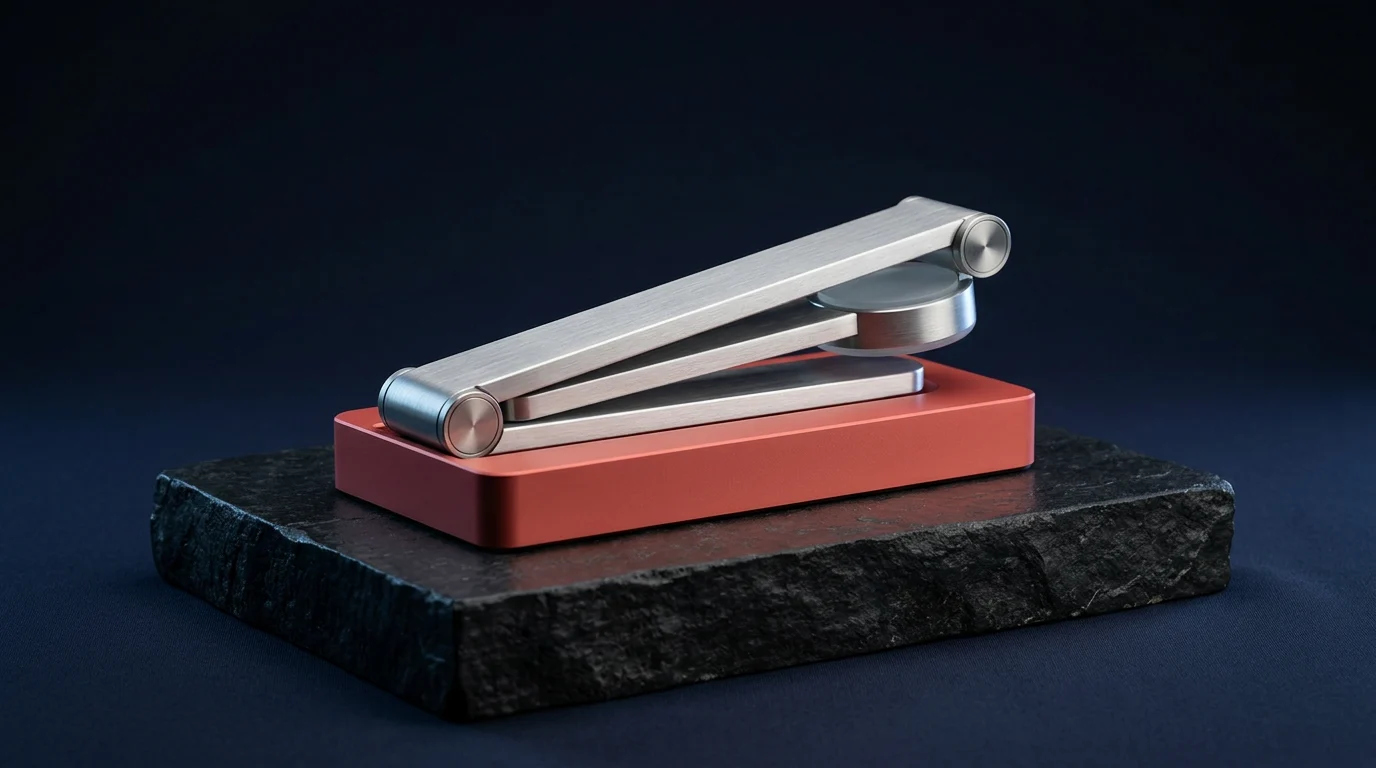
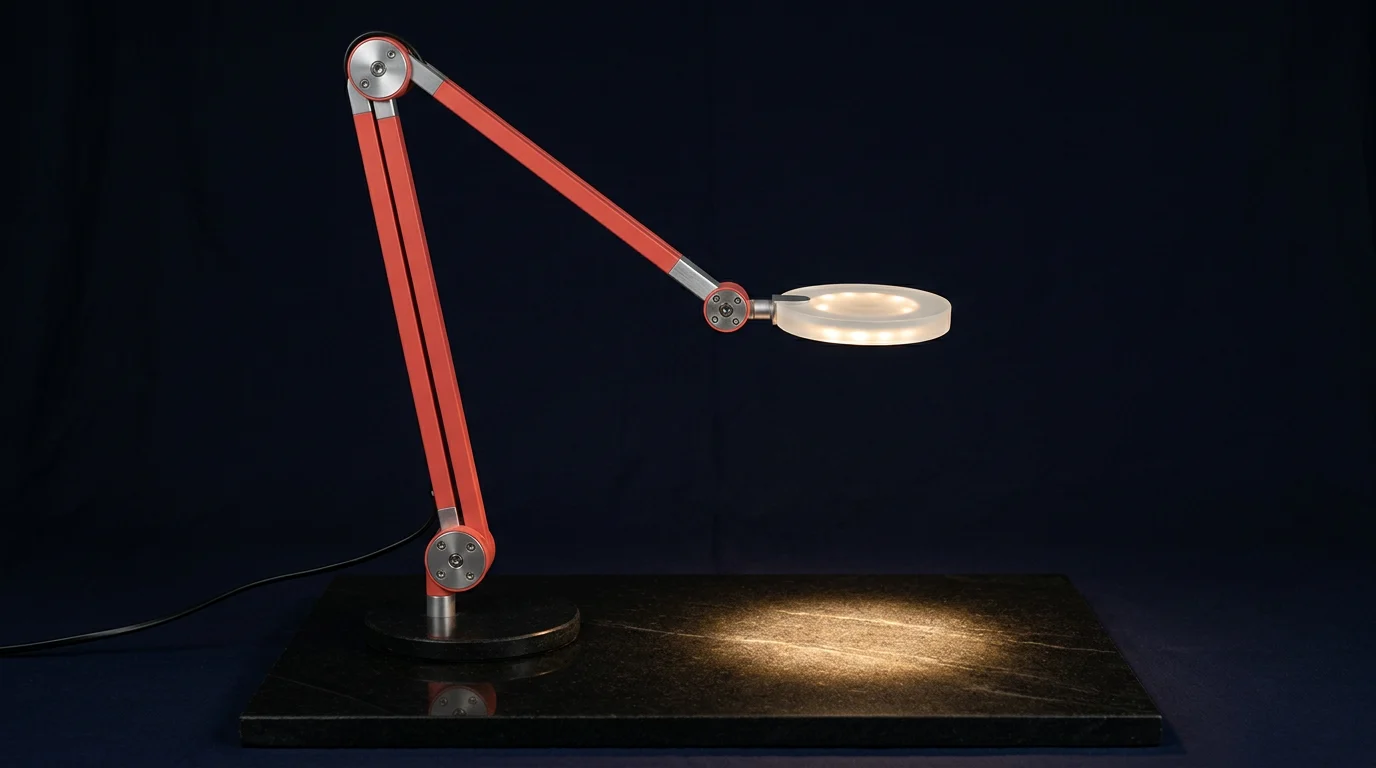
Use @image1 as the opening frame and @image2 as the required ending frame. Create one continuous 8-second product transformation. Keep the coral-red base fixed on the pedestal while the lower aluminum arm rises from its hinge, the upper arm unfolds into a tall Z shape, and the round frosted head rotates downward. As the lamp reaches the final position, turn on the warm light gradually until the result matches @image2. Use smooth, physically connected hinge motion with slight mechanical damping. Keep the camera, pedestal, background, product materials, and lighting composition stable. No cuts, no melting or morphing, no extra parts, no text, and no logos.Доставлені файли: близько 8 секунд · 1920 × 1080 · 16:9 · аудіо публікації вилучено
Вихід Seedance 2.5
Seedance 2.5 досяг вертикального стану лампи та ввімкнув світло, але він переміщався між положеннями більш різко та показував більше дрейфу продукту та кадру під час перехід. Вихід
Seedance 2.0
Seedance 2.0 створив стабільнішу та механічно зрозумілішу трансформацію. Послідовність розгортання полегшувала рух шарніра до того, як лампа досягла цільової рами.
Це не чистий тест ідентифікації продукту. У наданих початкових і кінцевих зображеннях уже використовуються різні основи, кольори рук, пропорції та композиції, тому для обох моделей не уникнути деяких змін.
Результат тесту 3: Seedance 2.0 забезпечив більш чіткий механічний перехід, хоча краще узгоджені зображення кінцевих точок зробили б майбутній тест більш переконливим.
Seedance 2.5 коштує втричі дорожче?
При задокументованих показниках 720p вихід Seedance 2.5 тривалістю вісім секунд коштує 4,80 доларів США порівняно з 1,60 доларів США для флагманського завдання Seedance 2.0. Для трьох запланованих виходів на модель це 14,40 доларів США для Seedance 2.5 і 4,80 доларів США для Seedance 2.0.
За ту саму задокументовану вихідну вартість 4,80 доларів США ви можете створити одне восьмисекундне відео 720p за допомогою Seedance 2.5 або три за допомогою Seedance 2.0. Посібник із ціноутворення та API Seedance 2.0 охоплює ширшу сімейство моделей і варіанти запитів.
Премію найлегше виправдати, коли готовий знімок важить більше, ніж бюджет ітерації. Наші шість результатів не показують, що Seedance 2.5 універсально втричі кращий; його найяскравіші переваги виявилися в кінематографічній презентації та послідовності персонажів.
Яку модель Seedance вибрати?
Виберіть Seedance 2.5, якщо:
- Результатом є остаточний знімок кампанії або демонстрації.
- Ідентичність персонажа та тонкий вираз обличчя мають значення.
- Кінематографічне освітлення та рух камери є частиною завдання.
- Ви можете витрачати більше на спробу, щоб отримати кращий результат.
Виберіть Seedance 2.0, коли:
- Вам потрібно кілька варіантів або розраховуйте на багато ітерацій.
- Бюджет на згенеровану секунду має значення.
- Завдання використовує відносно простий або структурований рух.
- Хороший, придатний для використання результат має більше значення, ніж отримання останнього ступеня полірування.
Поширені запитання
Чи Seedance 2.5 кращий за Seedance 2.0?
Seedance 2.5 загалом був кращим у наших трьох тестах PiAPI, зокрема щодо кінематографічного перетворення тексту у відео та узгодженості символів. Seedance 2.0 залишався придатним для використання в усіх сценаріях і показав кращі результати в тесті трансформації продукту. Кращий вибір залежить від того, чи візуальне вдосконалення чи вартість генерації важливіше для вашого робочого процесу.
Скільки більше коштує Seedance 2.5 на PiAPI?
При задокументованих тарифах 720p, перевірених 4 серпня 2026 року, Seedance 2.5 коштує 0,60 доларів США за секунду виведення, а флагманська Seedance 2.0 коштує 0,20 доларів США. Це робить Seedance 2.5 втричі дорожчим: $4,80 проти $1,60 за восьмисекундне відео.
Чи варто оновлювати кожен робочий процес Seedance до 2.5?
Можливо, ні. Seedance 2.5 є сильнішим для вибраних фінальних кадрів і сцен із персонажем, тоді як Seedance 2.0 залишається практичним для чернеток, варіацій і економічного виробництва. Змішаний робочий процес — ітерація з 2.0, а потім використання 2.5 для пріоритетних знімків — може збалансувати вартість і досконалість.
Остаточний вердикт
У цьому порівнянні Seedance 2.5 і Seedance 2.0 Seedance 2.5 показав найсильніші загальні візуальні результати. Seedance 2.0 залишався конкурентоспроможним у всіх трьох підказках і переміг у тесті структурованого руху продукту.
Якщо ви створюєте невелику кількість високоцінних відео, додаткове вдосконалення Seedance 2.5 може виправдати преміум. Якщо ви генеруєте багато або вам потрібен простір для експериментів, Seedance 2.0 залишається більш економічним вибором.
Перегляньте більше прикладів підказок Seedance 2.5, а потім згенеруйте відео в робочій області PiAPI з моделлю, яка підходить для вашого кадру.
Джерела перевірено 4 серпня 2026 р.: Документація API попередньої версії Seedance 2.5 і Seedance Документація API 2.0. Відео та довідкові зображення на цій сторінці є оригінальними ресурсами для порівняння. Результати можуть відрізнятися між поколіннями.